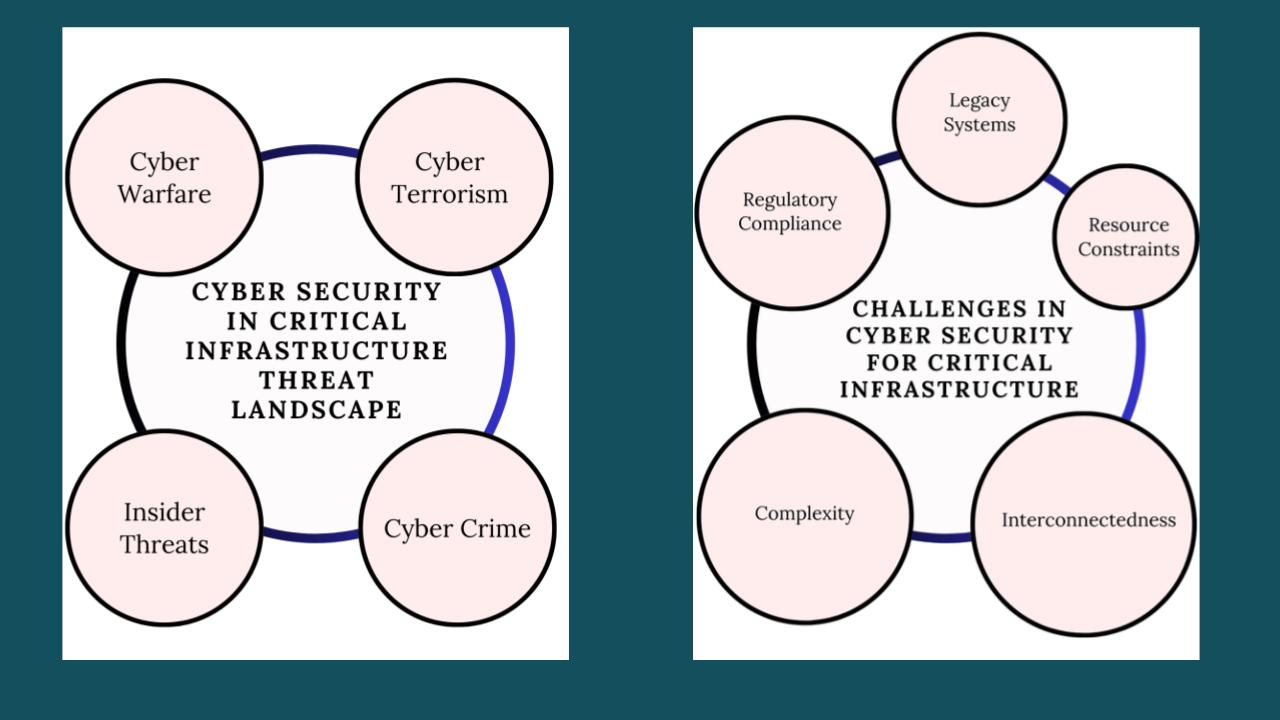
The most significant cybersecurity challenges for critical infrastructures are driven by a convergence of technological shifts and increasingly sophisticated threat actors, ranging from financially motivated criminals to nation-states.
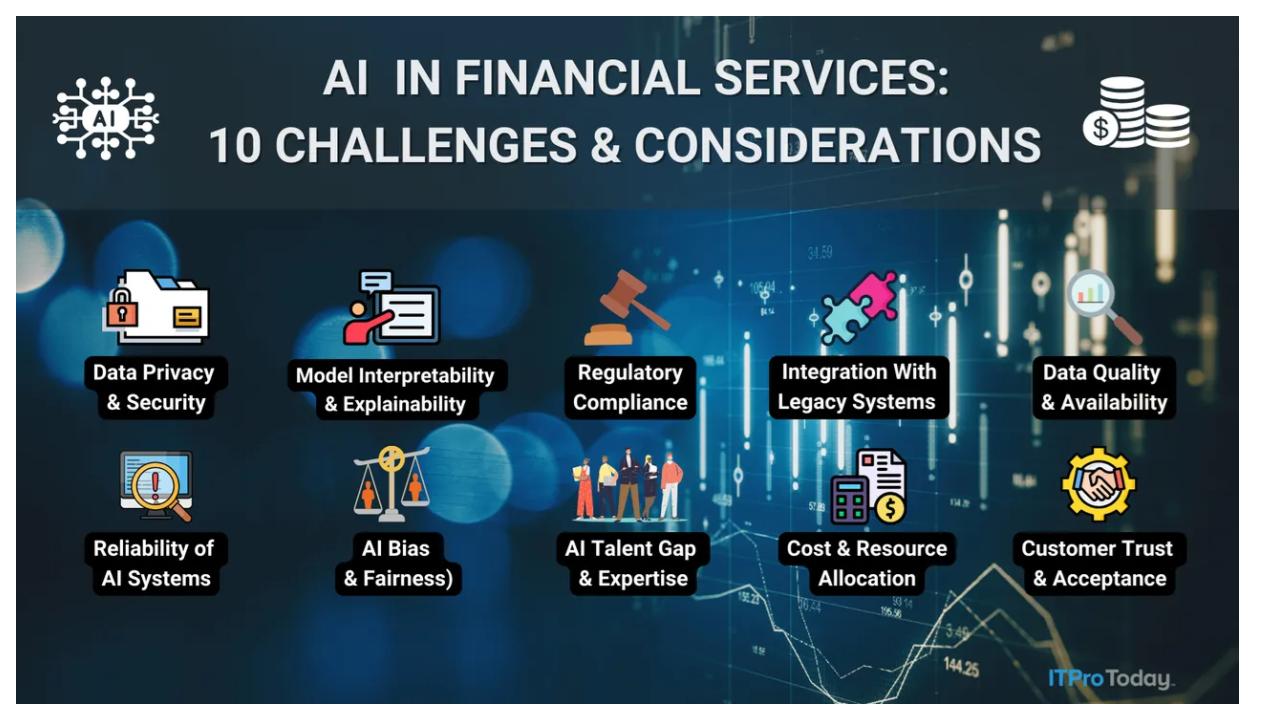
Financial Services Challenges
The top ten most significant cybersecurity challenges for the financial services industry in 2025 are driven by increased digitalization and the evolving sophistication of threat actors.

Government and Defense Challenges
Cybersecurity challenges for government and defense agencies are primarily driven by sophisticated threat actors (including nation-states), an expanding attack surface from new technologies, and persistent systemic vulnerabilities.

Healthcare Challenges
Healthcare cybersecurity challenges include ransomware, data breaches, insecure medical devices and equipment, phishing, insider threats, vulnerable legacy systems, cloud-based threats, supply chain vulnerabilities, DDoS attacks, and lack of cybersecurity awareness and education.
These challenges are driven by the industry’s sensitive data, reliance on interconnected devices, and often outdated IT infrastructure.

Industrial Challenges
The top ten industrial cybersecurity challenges include ransomware, supply chain attacks, phishing, and insider threats, as well as threats from the expanding use of IoT devices and cloud computing.
Other major concerns are the increase in malware, sophisticated AI-powered attacks, DDoS attacks, and the ongoing struggle with data breaches.
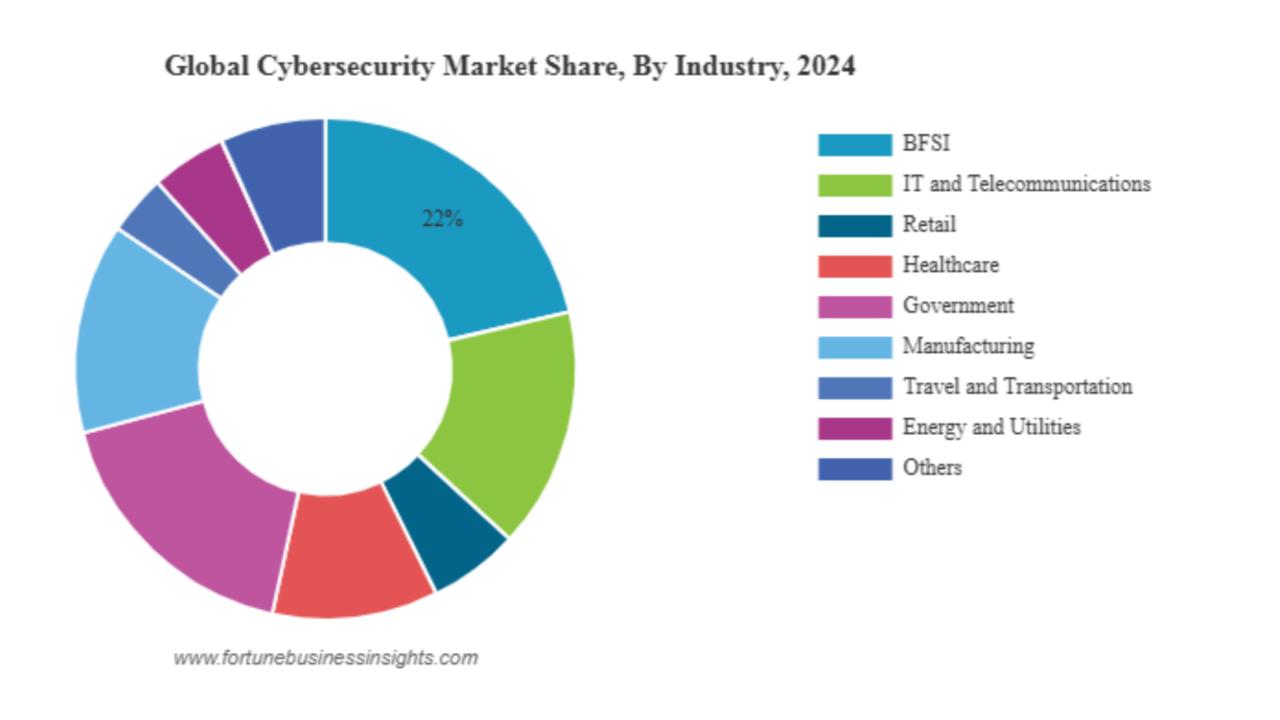
Cybersecurity Market Sectors
The top industry markets for cybersecurity services are finance and insurance, healthcare, government, and energy, due to their high value, critical infrastructure, and susceptibility to cyberattacks.
Other key sectors include telecommunications, retail, manufacturing, technology, aerospace and defense, and media and entertainment.
Source: Gemini AI Overview - 11/6/2025

Small and Medium Enterprises Challenges
The top cybersecurity challenges for SMEs include a lack of security awareness and training, limited budgets and resources, the increasing sophistication of attacks like ransomware and deepfakes, the insecurity of remote work and personal devices, a shortage of cybersecurity talent, and difficulties with compliance.
Other challenges include weak password and credential management, keeping software updated, and underestimating their risk of being targeted by cybercriminals.
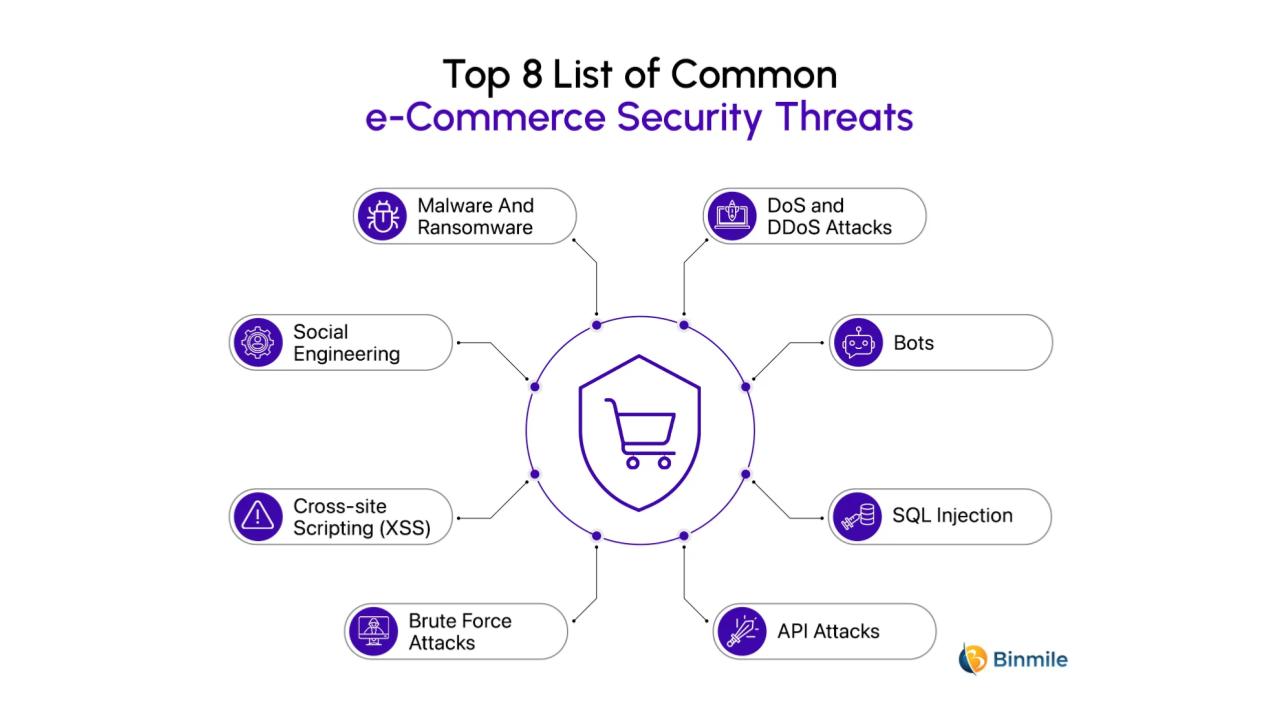

IT and Telecommunications Challenges
The top cybersecurity challenges in the IT and Telecommunications sectors include evolving threats like AI-powered attacks and advanced ransomware, as well as persistent issues such as supply chain vulnerabilities and the cybersecurity skills gap.
KEEN and College of Engineering and Computing
Why We’re In KEEN
We already embrace much of the KEEN Framework in our values and approach to engineering education. As a faculty, CEC has brought its own entrepreneurial mindset to our programs and initiatives. Discovery, inquiry, and synthesis are core values of the Mason student experience.
There are many examples of highly innovative programs we have created, such as:
- We created the first-ever BS in Cyber Security Engineering, and ABET modeled its program criteria after our curriculum.
- We pioneered a very creative dual-admission/transfer program for community college students, and approximately half of our 11,000 students follow that pathway to Mason.
GMU College of Engineering and Computing Impact Video
Mason CEC (01:51)
Mason CEC (01:51)
https://www.youtube.com/watch?v=5z6RvCFuy1c&t=18s
Learn why Mason is one of the top schools for engineering and computing academic programs.
We are #AllTogetherDifferent.
OnAir Post: KEEN and College of Engineering and Computing