Cyber Competitions Overview

The most important cybersecurity competitions fall into different categories, from prestigious Capture the Flag (CTF) events for skilled hackers to defensive competitions for students and challenges focused on specific, high-stakes exploits. The significance of a competition can vary depending on one’s career level and goals, whether it’s for learning, recruiting, or showcasing elite skills. There are also other competitions such as those on the Kaggle website and by Leet code (see weblinks for urls).

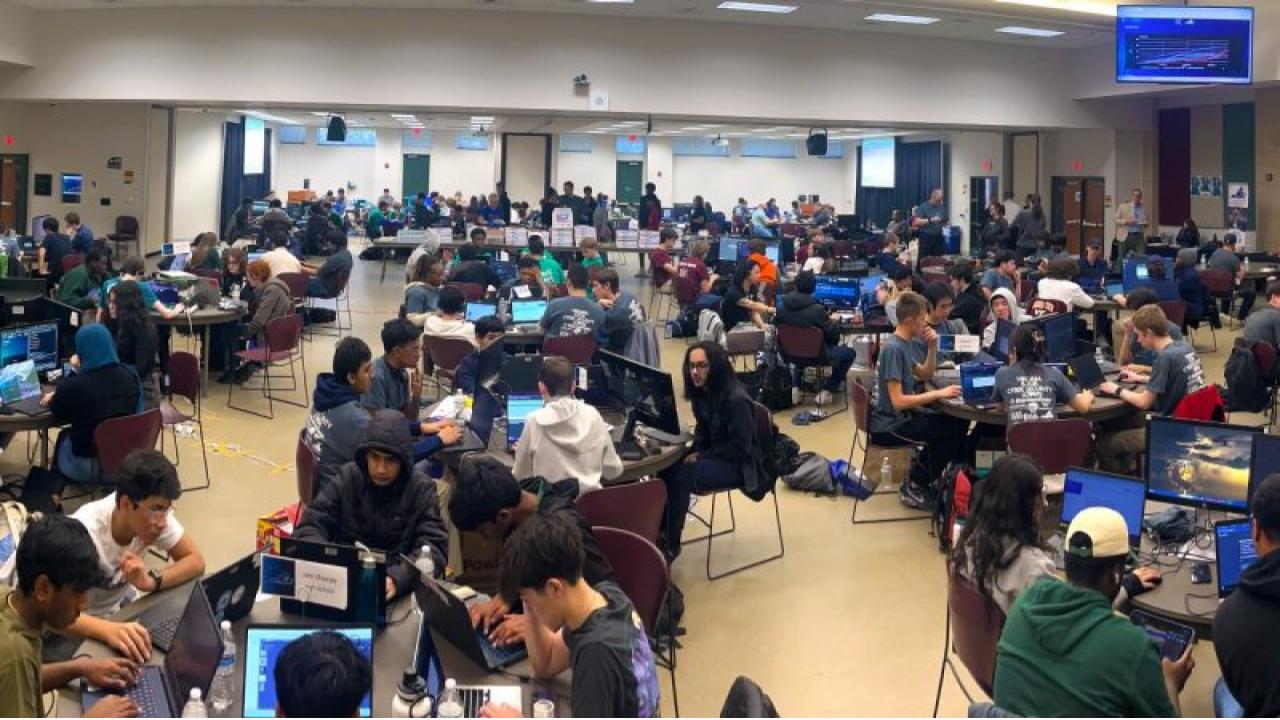
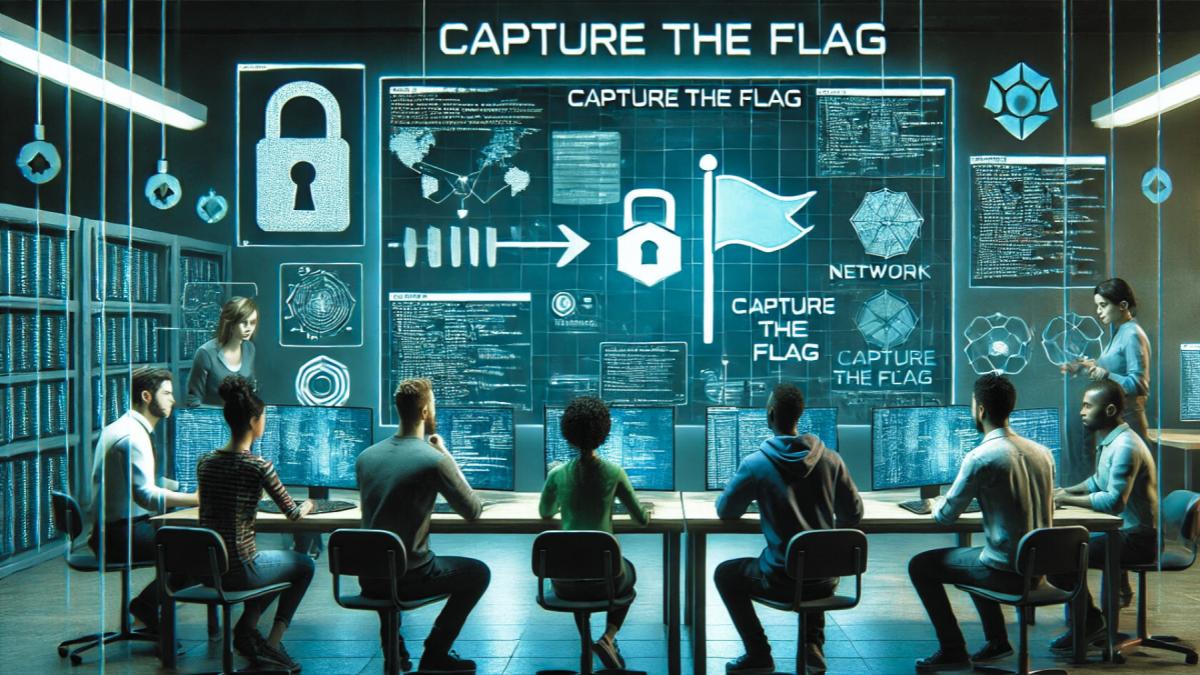
Cybersecurity competitions are excellent for skill development across all experience levels, from middle school to seasoned professionals. They primarily fall into Capture The Flag (CTF) events, which are problem-solving-focused, and Red Team vs. Blue Team competitions, which simulate real-world attacks and defenses.

Source: Gemini AI Overview - 10/23/2025

Livestreamed Competitions

Many cybersecurity competitions, especially major and international events, offer live streaming of their final rounds, expert commentary, and workshops on platforms such as Twitch and YouTube. These streams often feature “shoutcasters” who explain the ongoing action, similar to traditional sports commentary.

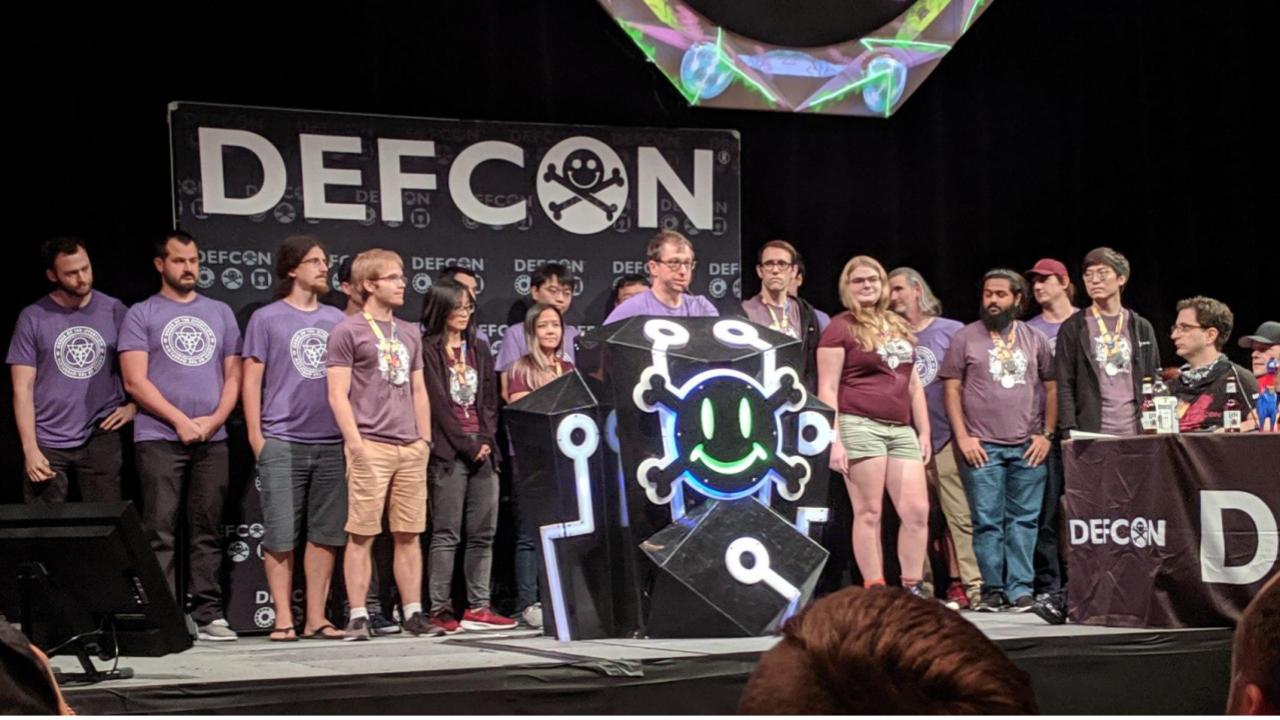
Streams often provide a behind-the-scenes look at the strategies used, interviews with participants and organizers, and educational content that is valuable for both enthusiasts and aspiring professionals. You can generally find these streams by checking the official websites or social media pages (especially Twitch and YouTube channels) of major cybersecurity event organizers and platforms like PlayCyber, Hack The Box, and SANS Institute, or specific conference pages like DEF CON’s CTF. 

Competitions for the Public

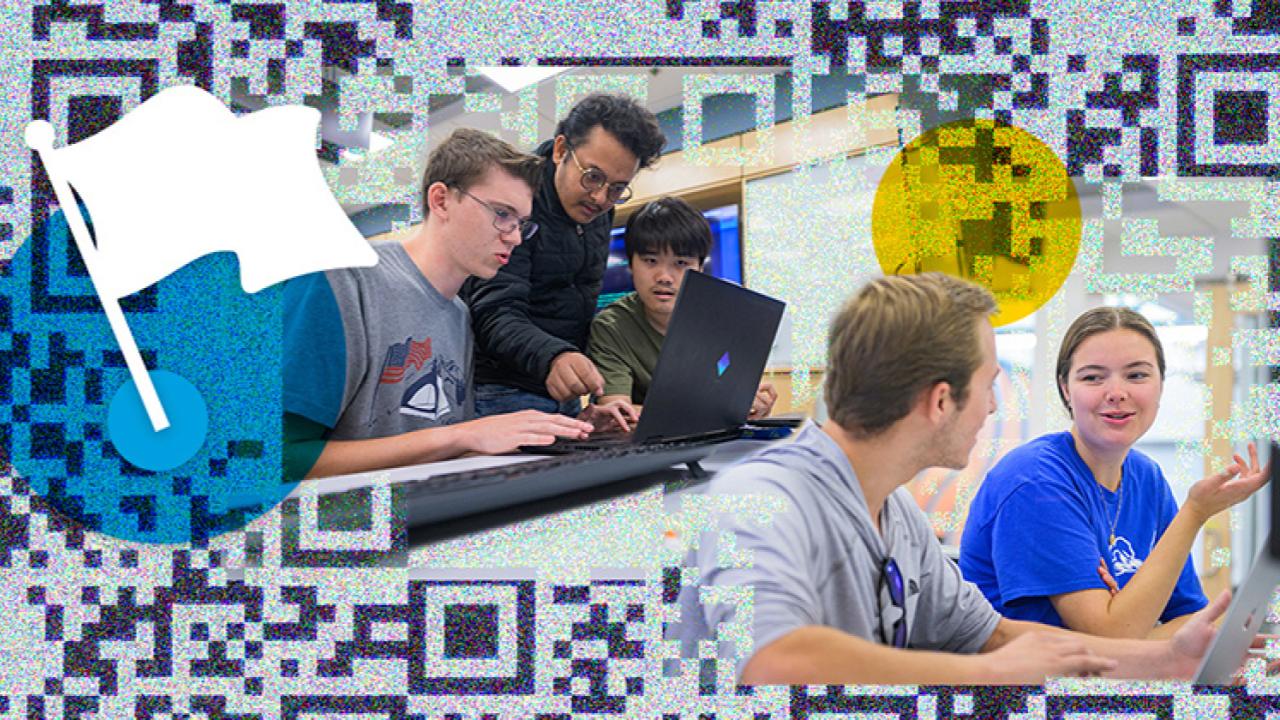
Several cybersecurity competitions are open to the general public, including those designed specifically for beginners and students. These typically use a Capture the Flag (CTF) format, where participants solve security-related challenges to find hidden “flags” and earn points.

Key Takeaway for Beginners
For those with no experience, picoCTF, National Cyber League, and platforms like TryHackMe are excellent starting points because they provide educational content and challenges that scale with your skills, allowing you to learn as you go.

Competitions for K-12 Students

The most important cybersecurity competitions for K-12 students are CyberPatriot, which is the National Youth Cyber Defense Competition, and picoCTF, an online challenge focused on ethical hacking.

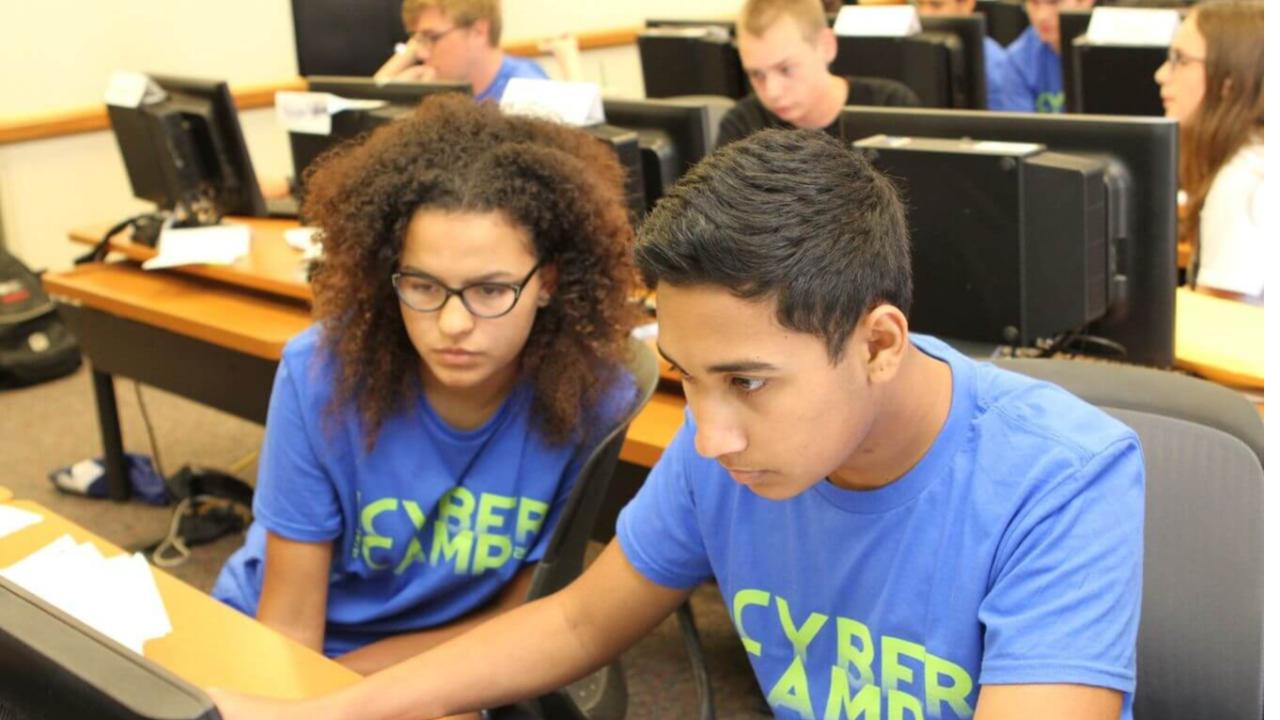
Other notable competitions include the GenCyber Summer Camps, which provide no-cost cybersecurity experiences for students and teachers, and the CyberForce Competition, which offers scenario-based events for K-12 students.

Participating in these competitions not only builds valuable technical skills but also develops essential soft skills like teamwork, problem-solving, and time management that are highly sought after in the industry.

Competitions for College Students

The most important and prestigious cybersecurity competitions for college students are the National Collegiate Cyber Defense Competition (NCCDC), the Collegiate Penetration Testing Competition (CPTC), and the National Cyber League (NCL).

These events are highly regarded by employers and offer valuable hands-on experience and networking opportunities.

Competitions for Market Sectors

While most cybersecurity competitions focus on general skills, some specific events and scenarios are tailored to the challenges of particular market sectors, especially those involving critical infrastructure, industrial control systems (ICS), and operational technology (OT). 

For professionals and students looking for opportunities, general platforms like the National Cyber League (NCL) and Global Cyberlympics offer practical, real-world challenges (e.g., incident response, penetration testing) that can be applied to any industry. 

Competitions for Professionals & Hackers

Elite cybersecurity professionals and expert hackers can showcase their skills and compete in several high-profile, demanding competitions and events.


Cyber Shark Competitions

“Cyber Shark Tank” competitions are pitch events where cybersecurity startups present their innovations to a panel of expert judges (often CISOs and venture capitalists) to win funding, mentorship, and industry recognition.

Based on 2025 and early 2026 industry data, top cybersecurity “Shark Tank” style competitions and pitch events are the following:

GMU Cyber Clubs

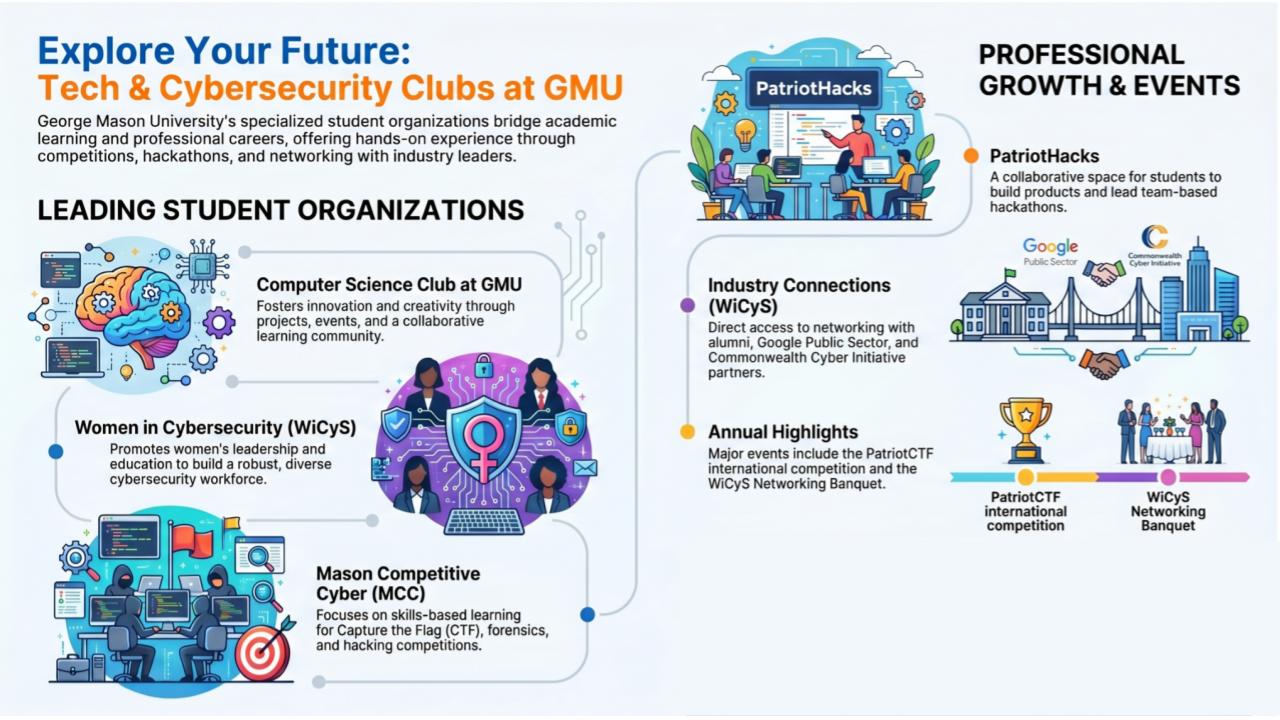
George Mason University offers a variety of student organizations focused on advancing technical expertise and professional growth within the cybersecurity and computing sectors.

  • Groups like Mason Competitive Cyber and the Computer Science Club provide hands-on learning, hackathons, and competitive environments for students to sharpen their coding and defense skills.
  • The university specifically champions diversity and inclusion through the Women in Cybersecurity chapter, which focuses on recruiting and mentoring women to build a more balanced workforce.

These clubs foster collaborative communities where members can network with industry professionals, participate in specialized workshops, and gain real-world experience. Ultimately, these extracurricular resources serve as a vital bridge between academic study and successful technology careers for students of all backgrounds.

OnAir Post: GMU Cyber Clubs

Skip to toolbar