Cloud Vulnerabilities

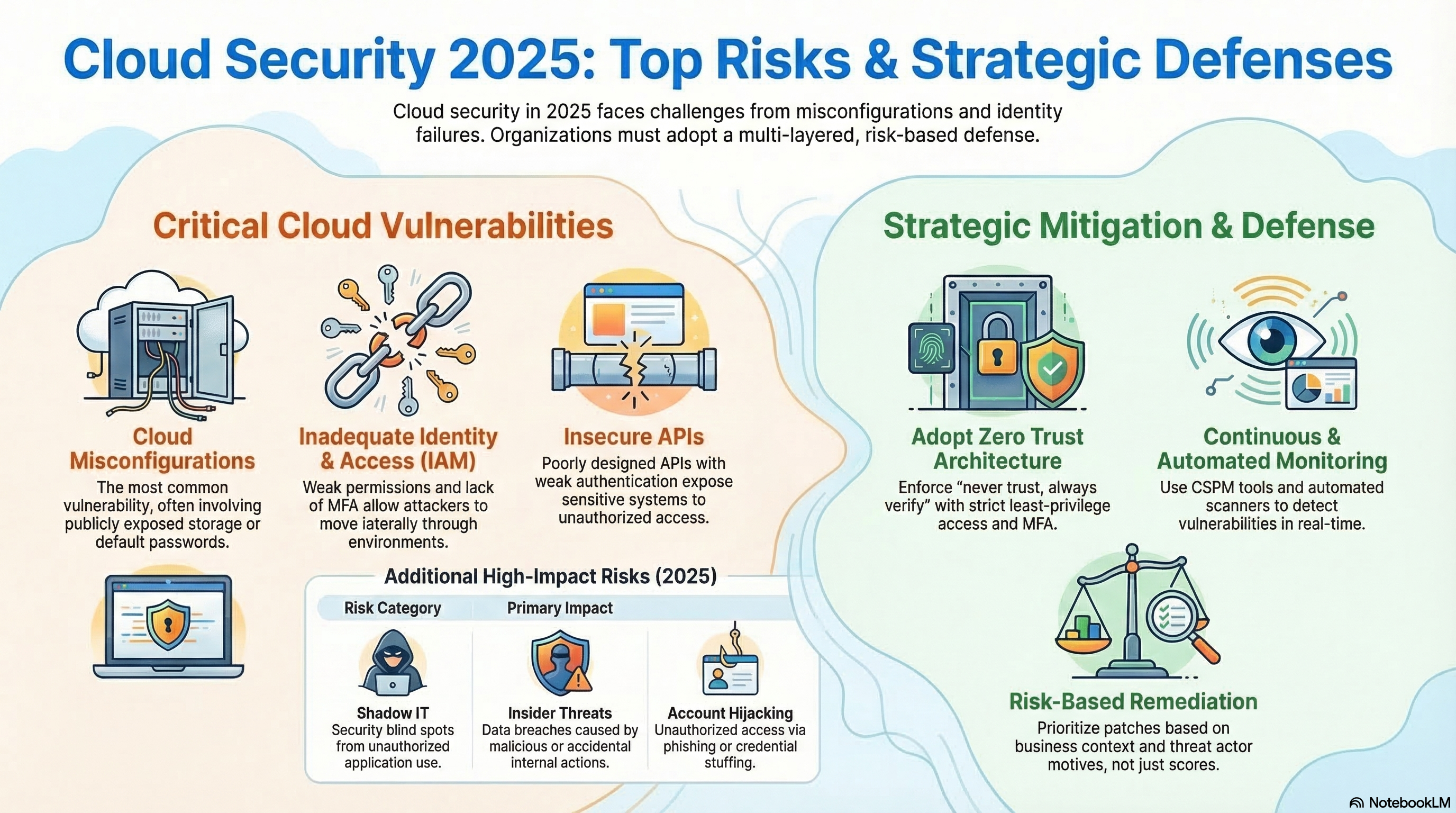
The best way to understand cloud vulnerabilities is to combine continuous monitoring with a multi-layered testing approach and contextual analysis of risk. You should start by using automated tools like vulnerability scanners and Cloud Security Posture Management (CSPM) to identify known issues, then perform penetration testing to find weaknesses.

Crucially, analyze vulnerabilities based on business context and threat actor motives to prioritize those with the highest potential impact.

Source: Gemini AI Overview - 11/6/2025
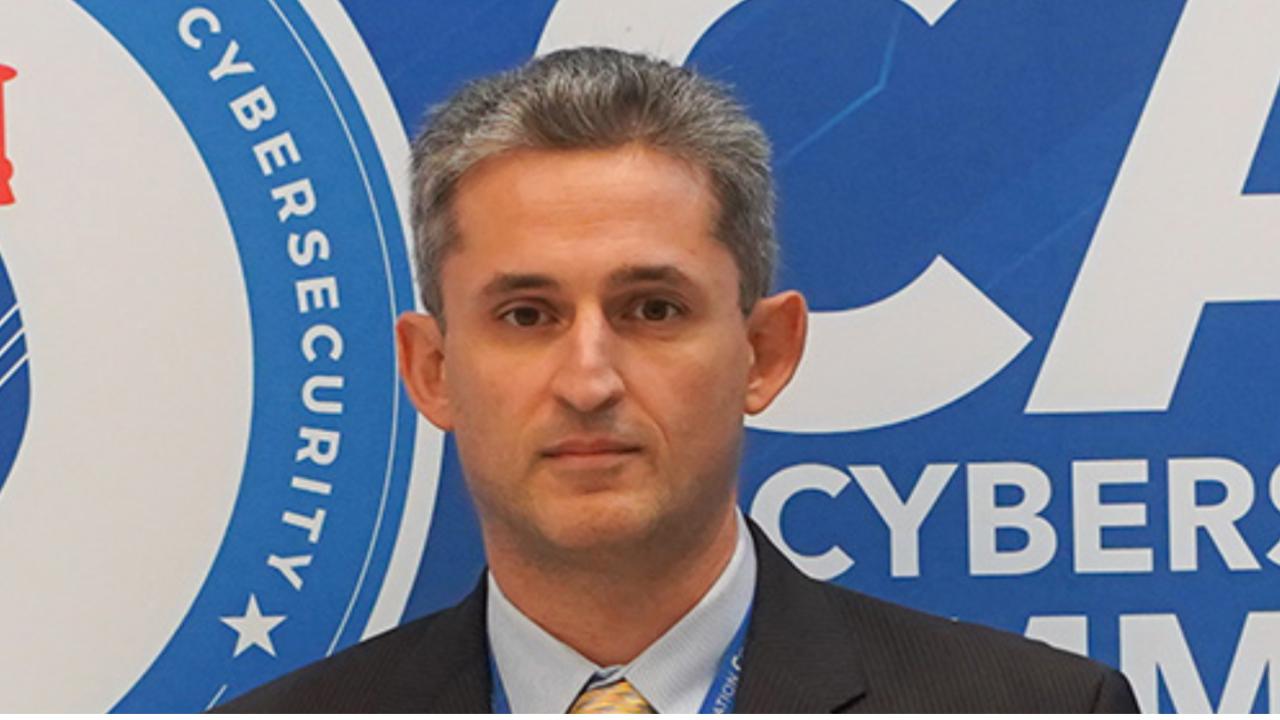
Massimiliano Albanese

I am a Professor and the Associate Chair for Research in the Department of Information Sciences and Technology at George Mason University, and I serve as the Executive Director of the Institute for Digital Innovation (IDIA) and the Director of the Center for Infrastructure Security in the Era of AI (ISEAI). I received my Ph.D. degree in Computer Science and Engineering in 2005 from the University of Naples Federico II. In 2011, I joined George Mason University after serving as a Postdoctoral Researcher at the University of Maryland, College Park.

My research interests are in the area of Information and Network Security, with a particular emphasis on Modeling and Detection of Cyber Attacks, Cyber Situational Awareness, Network Hardening, Moving Target Defense, Configuration Security, and Vulnerability Metrics. I have participated in sponsored projects totaling $13M, with my personal share amounting to $3.5M. I hold six U.S. patents and have co-authored two books as well as over 90 publications in peer-reviewed journals and conference proceedings. In 2014, I was honored as one of the three recipients of the Mason Emerging Researcher/Scholar/Creator Award, one of the most prestigious honors at Mason.

I have served on the technical program committee of numerous conferences and am a member of the Editorial Board of Springer International Journal of Information Security, Elsevier Co

Source: Website

OnAir Post: Massimiliano Albanese

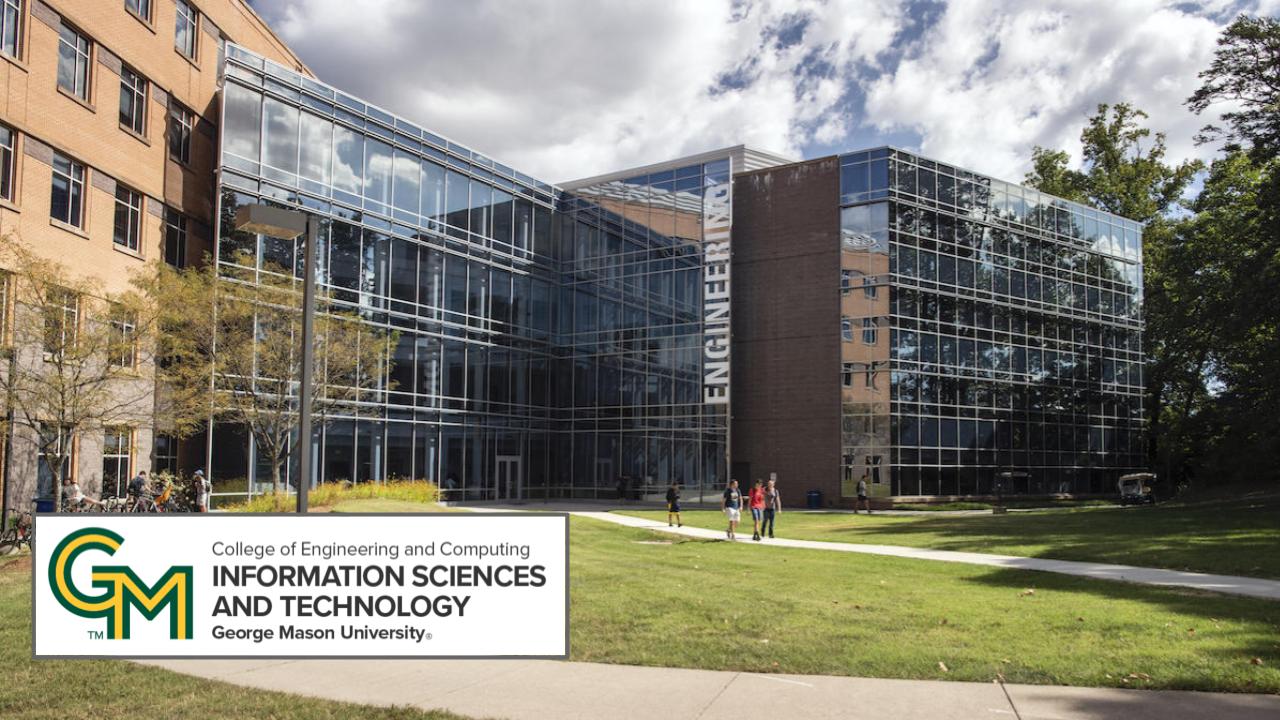
IST – Information Sciences and Technology

The Information Sciences and Technology (IST) department at George Mason is a vibrant community of coders, designers, cybersecurity specialists, AI/ML experts, and HCI researchers. Together we tackle real-world challenges-from smart technologies and transportation systems to cybersecurity and public safety solutions.

Our Vision
To lead excellence and innovation in research, teaching, and service in addressing societal problems using information sciences and technology.

IST promotes and maintains a departmental research culture by providing the facilities, means, and incentives for outstanding research. IST provides excellent education with leading-edge courses, by leveraging innovative instructional methods and emphasizing the enhanced student experience. IST provides continuous advising and mentorship to the students, faculty, and staff as well as ongoing service to the college, university, alumni, and the community.

onAir Post

Source: Website

OnAir Post: IST – Information Sciences and Technology

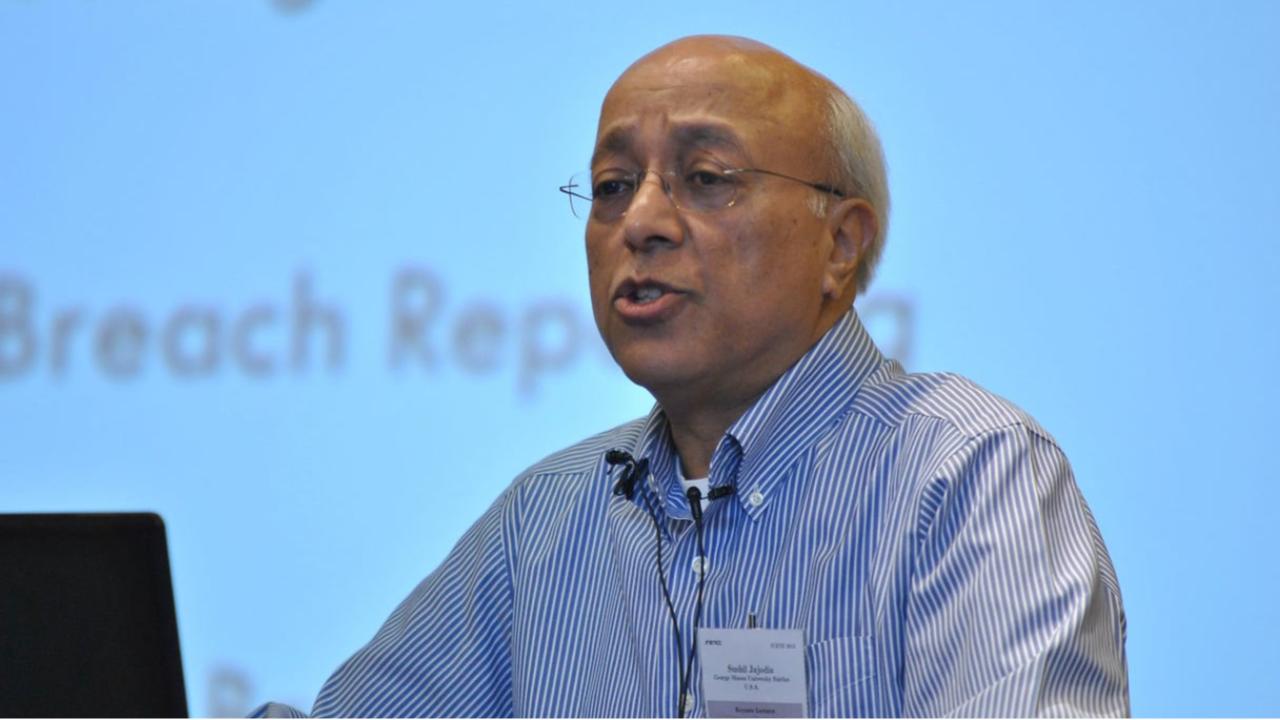
Sushil Jajodia

Sushil Jajodia is a University Professor, BDM International Professor, and the founding director of the Center for Secure Information Systems in the College of Engineering and Computing. He is also the founding site director of the NSF IUCRC Center for Configuration Analytics and Automation at Mason. His research interests include security, privacy, databases, and distributed systems. His current research sponsors are the U.S. Army Research Office (ARO), the U.S. Office of Naval Research (ONR), The U.S. National Security Administration (NSA), The National Science Foundation (NSF), the National Institute of Standards and Technology (NIST), Northrop Grumman, and The MITRE Corporation.

He was recognized for the most accepted papers at the 30th anniversary of the IEEE Symposium on Security and Privacy. His h-index is 86 and Erdös number is 2; both indicate a broad citation in scholarly publishing. He is the founding consulting editor of the Springer International Series on Advances in Information Security and SpringerBriefs in Computer Science. He has served in different capacities for various journals and conferences. Sushil Jajodia has supervised 27 doctoral dissertations.

Source: GMU webpage

OnAir Post: Sushil Jajodia

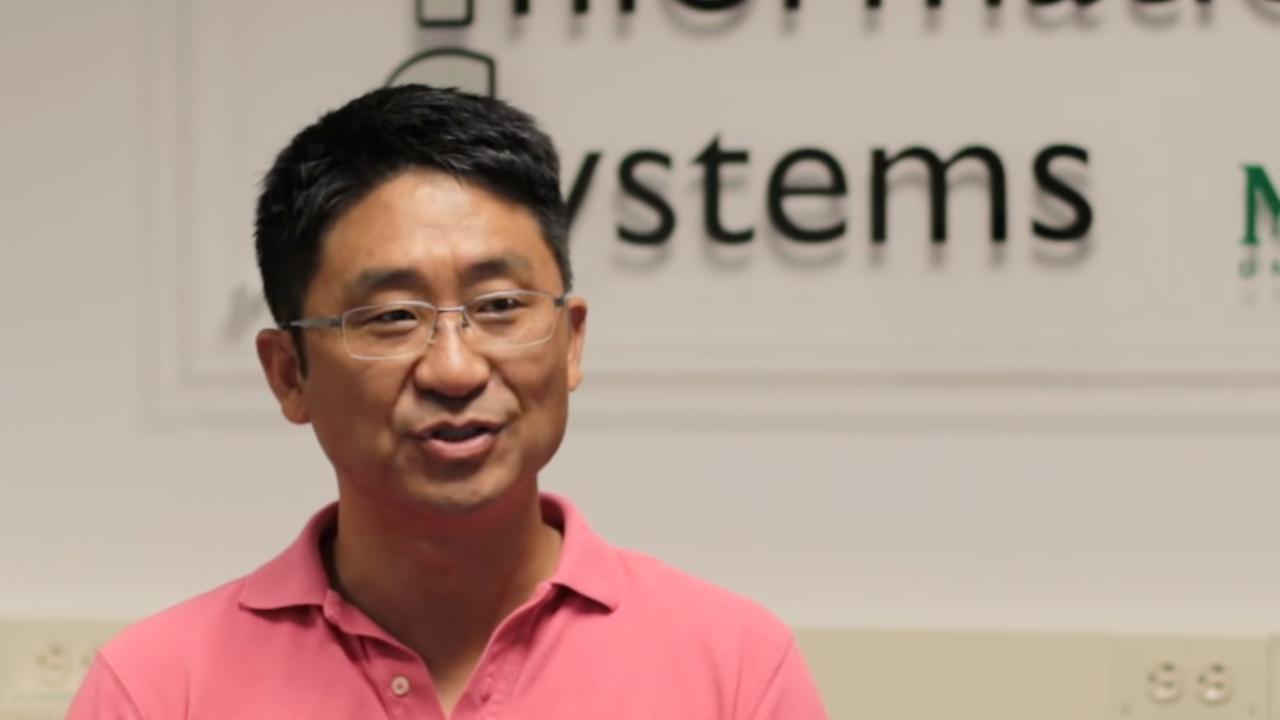
Kun Sun

Kun Sun received his PhD in computer science from North Carolina State University. His research focuses on systems and network security. He has more than 20 years of working experience in both industry and academia and serves as the director of the Sun Security Laboratory (SunLab) and the Director of the Center for Secure Information Systems (CSIS).  He is the Principal Investigator for the NSF’s CyberCorps® Scholarship for Service (SFS) program at Mason. He won the Presidential Award for Faculty Excellence in Research from George Mason University in 2022. Also, he won the Distinguished Paper Awards in NDSS 2024 and NDSS 2025.

Research

  • Artificial Intelligence and Machine Learning
  • Cybersecurity

Teaching

  • Computer Programming
  • Networking and Telecommunications
  • Operating System
  • Information Security

Degrees

PhD, computer science, North Carolina State University

OnAir Post: Kun Sun

Skip to toolbar