Carnegie Mellon Cybersecurity

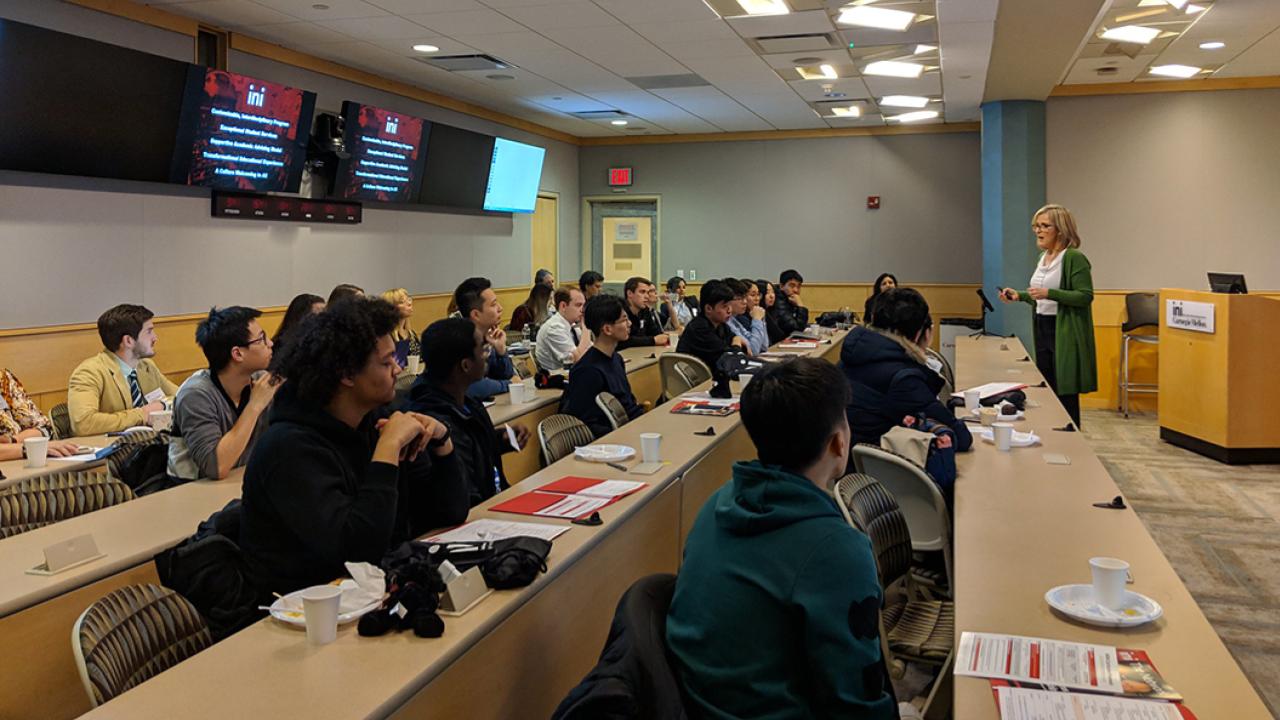
Carnegie Mellon (CMU) is a leading institution for cybersecurity, with a multidisciplinary approach through initiatives like CyLab and the CERT Division.

The university offers a variety of academic programs and concentrations, including an undergraduate concentration in Security & Privacy within the College of Engineering, and master’s degrees with tracks like Information Security & Assurance through Heinz College.

CMU is also a designated National Center of Academic Excellence in all three areas: Cyber Defense, Cyber Operations, and Research.

OnAir Post: Carnegie Mellon Cybersecurity
George Mason Cybersecurity

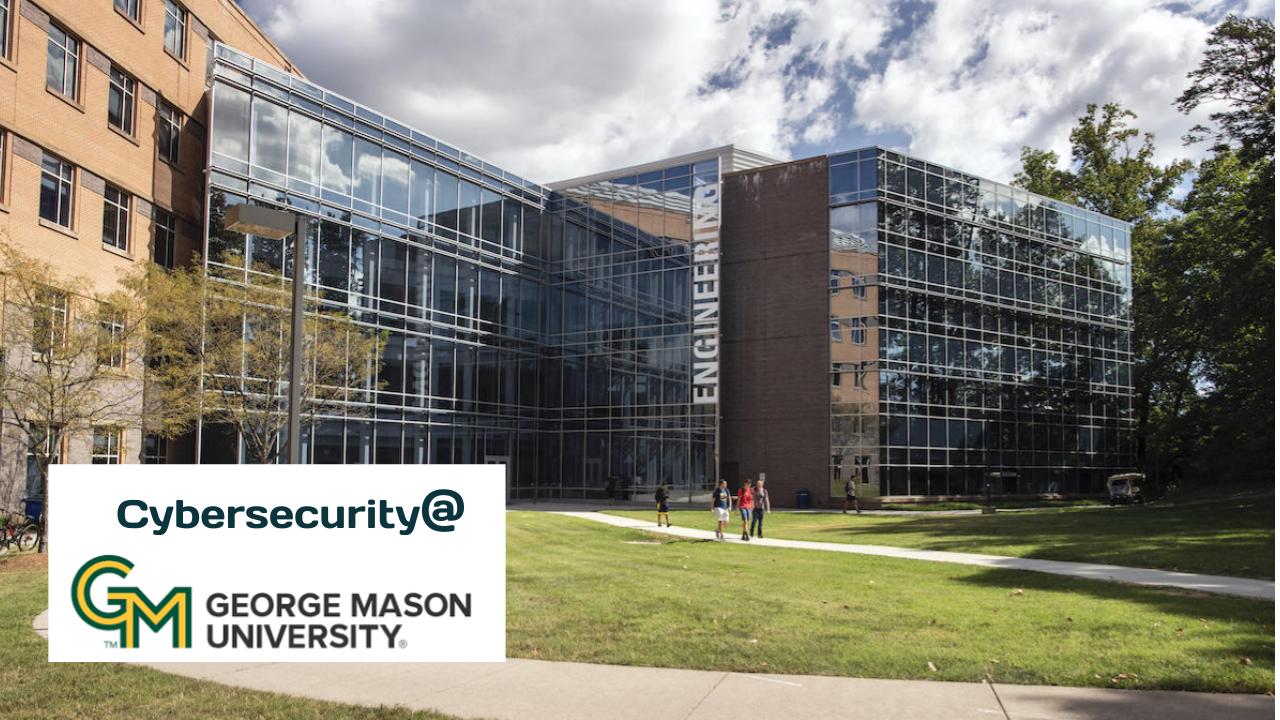
George Mason University has numerous departments, research centers, and labs focused on cybersecurity in addition to its AI2 Nexus initiative and partnerships with state and federal agencies such as the Commonwealth Cyber Initiative (CCI) and the All-In-Gov Council.

Key departments in the College of Engineering and Computing include the:

  • Cybersecurity Engineering Department (CYSE)
  • Information Science & Technology Department (IST)
  • Data Analytics Engineering Department (DAEN)
  • Computer Science Department (CS)
  • Electrical & Computer Engineering (ECE)

Key Research Centers, Labs, & Institutes include:

  • Center for Secure Information Systems (CSIS)
  • Center of Excellence in Command, Control, Communications, Computing, Cyber and Intelligence (C5I)
  •  Institute of Digital InnovAtion (IDIA)
  • NSI Cyber and Technology Center (CTC)
  • Sun Security Laboratory (SunLab)
  • Center for Assurance Research and Engineering (CARE)
  • Center for Cybersecurity Analytics and Automation (CCAA)
  • Center for Trusted, Accelerated, and Secure Computing and Communication (C-TASC)
  • Wireless Cyber Center (WirelessCyber@Mason)
  • Center for Assurance Research and Engineering (CARE)

OnAir Post: George Mason Cybersecurity

Johns Hopkins Cybersecurity

Johns Hopkins offers multiple cybersecurity programs, including a highly-ranked online Master’s degree for professionals, a one-year Master of Arts in Strategy, Cybersecurity, and Intelligence (MASCI) at SAIS, and various certificates and professional development courses.

The curriculum includes a blend of technical skills like encryption and risk assessment, strategic knowledge, and hands-on, industry-relevant training, preparing students for careers in diverse fields. The university also conducts leading research in information security through its Johns Hopkins Institute for Information Security, leading to its designation as a NSA/DHS Center of Academic Excellence in Information Assurance.

OnAir Post: Johns Hopkins Cybersecurity

UMD Cybersecurity

The University of Maryland (UMD) offers a comprehensive approach to cybersecurity through its Maryland Cybersecurity Center (MC2), which provides undergraduate and graduate education, research, and community partnerships.

Key programs include the Advanced Cybersecurity Experience for Students (ACES), a living-learning honors program, and a Master’s Certificate in Engineering. UMD is also a National Center of Academic Excellence in Information Assurance Research, with research areas spanning technical, behavioral, and policy-related aspects of cybersecurity.

OnAir Post: UMD Cybersecurity

UVA Cybersecurity

The University of Virginia (UVA) has a multi-faceted approach to cybersecurity, encompassing university-wide security initiatives led by the UVA Information Security office and academic programs within the Department of Computer Science and the School of Continuing and Professional Studies.

Key aspects include: information security operations, a National Center of Excellence (CAE-CD) in cybersecurity education, undergraduate and certificate programs, a cybersecurity focal path for students, and student organizations focused on cyber skills.

OnAir Post: UVA Cybersecurity

Virginia Tech Cybersecurity

Virginia Tech has a strong cybersecurity focus with undergraduate and graduate academic programs, world-class research centers like the Hume Center for National Security and Technology, and student organizations like CyberVT.

The university is a designated National Center of Academic Excellence in Cyber Defense (NCAE-CD), offering options ranging from a technical minor to a management and analytics degree, with faculty from various departments contributing to its multidisciplinary approach. 

OnAir Post: Virginia Tech Cybersecurity

Skip to toolbar