Summary
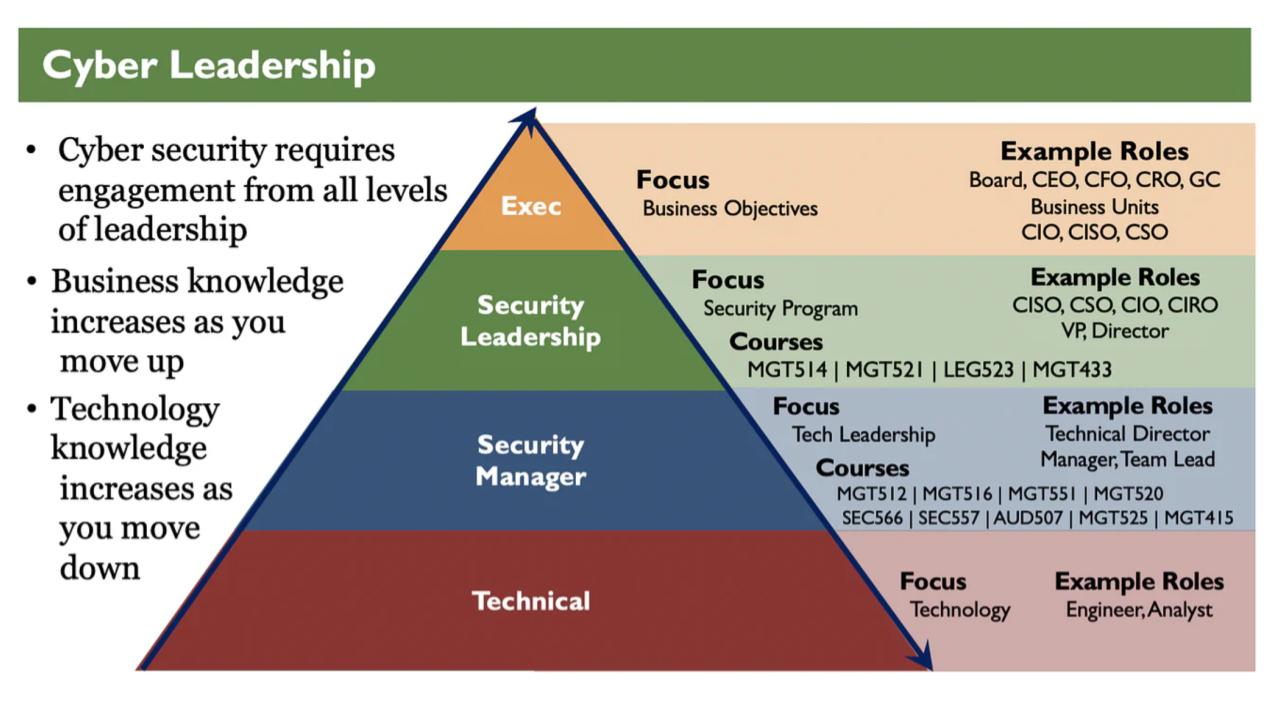
The CEO and the executive team’s primary cybersecurity risk management responsibility is to treat cybersecurity as a core business risk and a strategic priority, not merely a technical IT issue.
By proactively engaging in these responsibilities, the CEO and executive team can transform cybersecurity from a mere IT concern into a strategic asset that builds trust and ensures business resilience.
OnAir Post: Risk Management Leadership
About
Source: Gemini AI Overview – 11/6/2025
Their key responsibilities include:
Governance and Strategy
- Set the “Tone at the Top”: Champion a top-down, organization-wide culture of security awareness where all employees understand their shared responsibility in protecting digital assets.
- Align Cybersecurity with Business Goals: Ensure that the cybersecurity strategy is a fundamental part of the overall business strategy and supports long-term growth and innovation.
- Approve Budget and Resources: Oversee and approve adequate investment in security infrastructure, tools, training, and skilled personnel to effectively manage risks.
- Define Risk Appetite: Work with the board and CISO to define the organization’s acceptable level of cyber risk and ensure mitigation efforts align with this tolerance.
- Ensure Accountability: Establish clear roles and responsibilities for cybersecurity across all departments and integrate security into performance evaluations.
Risk Assessment and Mitigation
- Understand and Oversee Risks: Understand the specific cyber risks the organization faces, including the potential financial, operational, and reputational impacts of a breach.
- Regularly Review Risk Assessments: Require and review regular, comprehensive risk assessments and vulnerability testing to identify weaknesses and prioritize protective measures.
- Manage Third-Party Risks: Ensure that third-party vendors and partners are held to the company’s security standards through due diligence and continuous monitoring.
Incident Response and Compliance
- Lead Crisis Response Planning: Oversee the development and regular testing of a comprehensive incident response plan, including clear communication protocols for stakeholders (investors, customers, media, and regulators).
- Ensure Regulatory Compliance: Take ultimate responsibility for the organization’s compliance with relevant data protection laws and regulations (e.g., GDPR, SEC rules) to avoid penalties and legal liabilities.
- Build Stakeholder Trust: Communicate transparently during and after a cyber incident to maintain customer, investor, and public confidence.