Cyber Blue Teams

Summary

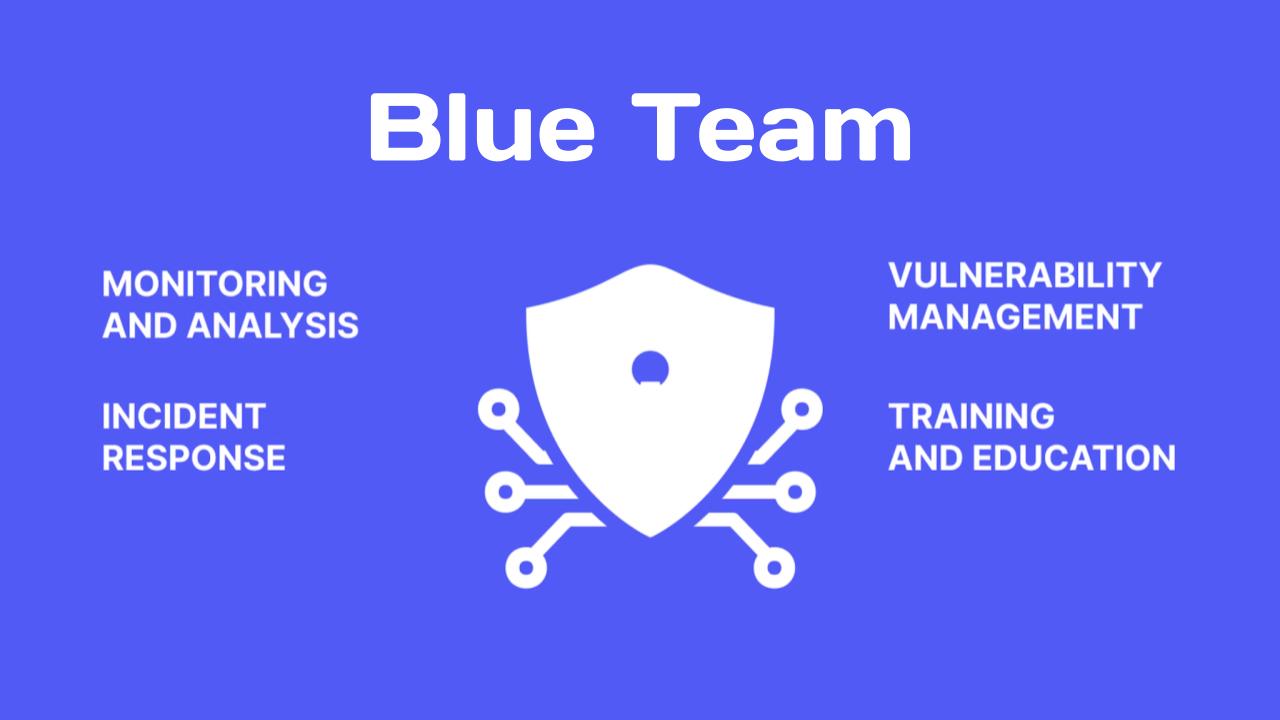
A cybersecurity blue team is the defensive group responsible for protecting an organization’s network and systems from cyber threats through proactive measures and incident response. They monitor for suspicious activity, harden systems, and respond to security breaches to minimize damage and ensure data safety. 

Source: Gemini AI Overview – 10/12/2025

OnAir Post: Cyber Blue Teams

About

Source: Gemini AI Overview – 11/6/2025

Key functions of a cybersecurity blue team include

Proactive Functions

  • Security Monitoring & Analysis: Continuously monitoring the network, systems, and endpoints for suspicious activity or anomalies using tools like Security Information and Event Management (SIEM) and Endpoint Detection and Response (EDR).
  • Vulnerability Management: Conducting regular security assessments and vulnerability scans to identify weaknesses in systems and applications, followed by implementing patches and mitigation strategies to harden systems.
  • Threat Intelligence & Hunting: Actively consuming and leveraging threat intelligence to understand the latest attacker tactics, techniques, and procedures (TTPs). Threat hunters proactively search the network for undetected threats that automated tools might miss.
  • Security Configuration Management: Designing, implementing, and maintaining security controls, such as firewalls, intrusion detection/prevention systems (IDS/IPS), and access controls, to ensure they are properly configured and aligned with security policies.
  • Risk Assessment: Identifying critical assets, evaluating potential threats against those assets, and prioritizing risks to develop an action plan to lower the impact or likelihood of an attack.
  • Security Awareness and Training: Developing and delivering training programs for employees to educate them on best practices, such as recognizing phishing attempts and using strong passwords, to reduce human error as an attack vector.
  • Compliance: Ensuring that the organization’s security controls and procedures align with industry regulations and standards (e.g., NIST, GDPR, HIPAA).

Reactive Functions

  • Incident Response (IR): Managing the entire lifecycle of a security incident when a breach is detected, from initial detection and analysis to containment, eradication, and recovery. This minimizes the impact and operational downtime.
  • Digital Forensics: In the aftermath of a major incident, conducting in-depth forensic investigations on affected systems and logs to determine the scope of the breach, the attacker’s methods, and the data accessed.
  • Post-Incident Activity: Documenting lessons learned from an incident or exercise, updating defenses, and modifying policies and playbooks to prevent recurrence.

Collaboration

  • Collaboration with Red Teams: Working with red teams (ethical hackers who simulate attacks) to test the effectiveness of existing defenses. The blue team uses the red team’s findings to improve its security posture and enhance detection and response capabilities.
  • Purple Teaming: Engaging in “purple team” exercises where red and blue teams collaborate in real-time, sharing insights and feedback to rapidly improve the organization’s overall security resilience. 

Web Links

Discuss

OnAir membership is required. The lead Moderator for the discussions is Cyber Curators. We encourage civil, honest, and safe discourse. For more information on commenting and giving feedback, see our Comment Guidelines.

This is an open discussion on the contents of this post.

Home Forums Open Discussion

Viewing 1 post (of 1 total)
  • Author
    Posts
  • #1605
    Scott Joy
    Participant
Viewing 1 post (of 1 total)
  • You must be logged in to reply to this topic.
Skip to toolbar