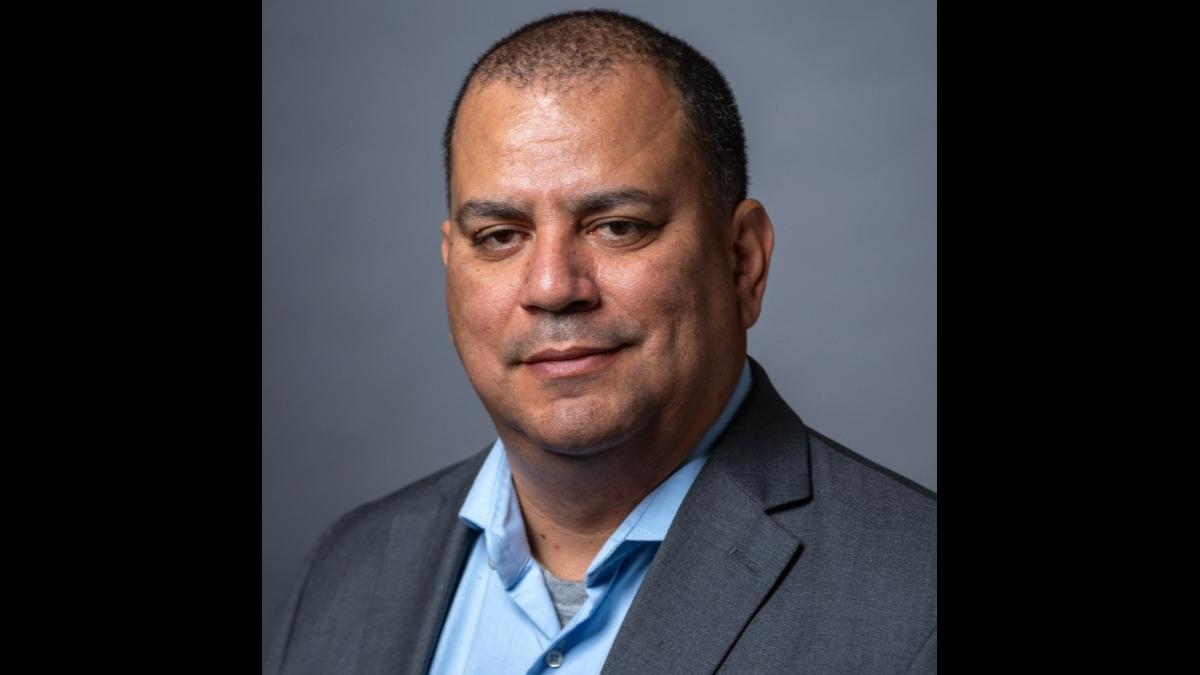
Massimiliano Albanese

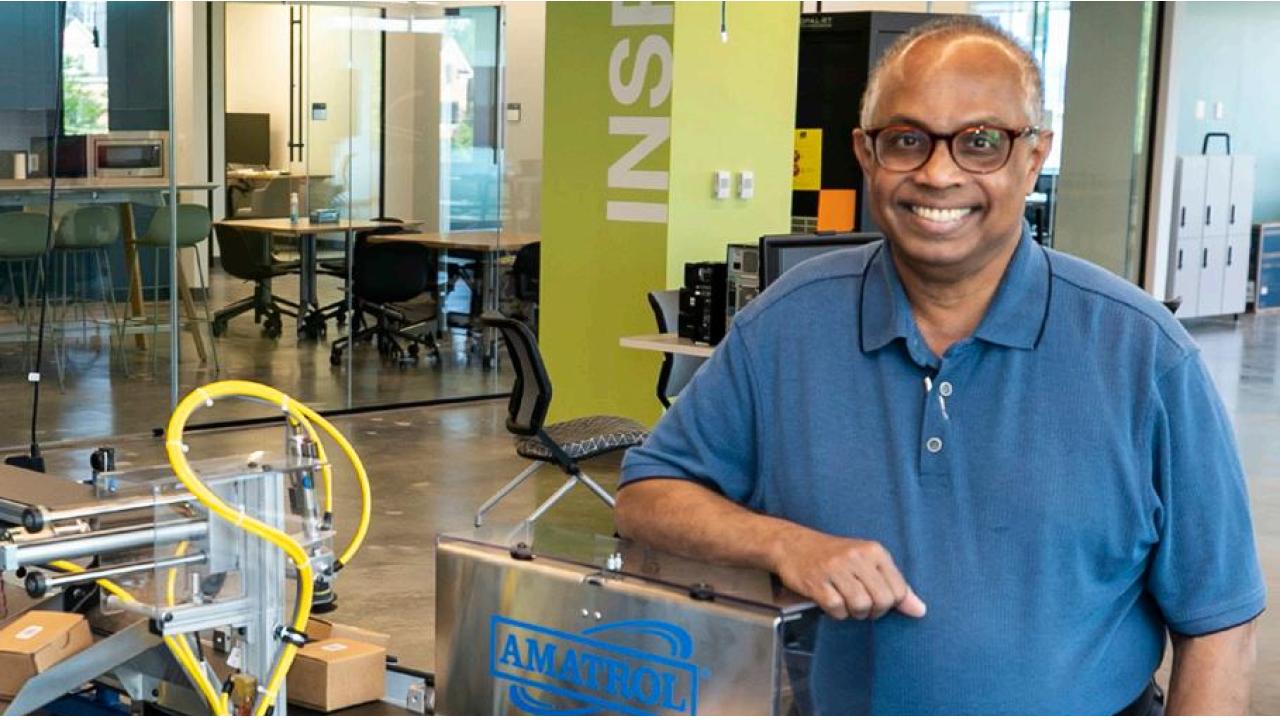
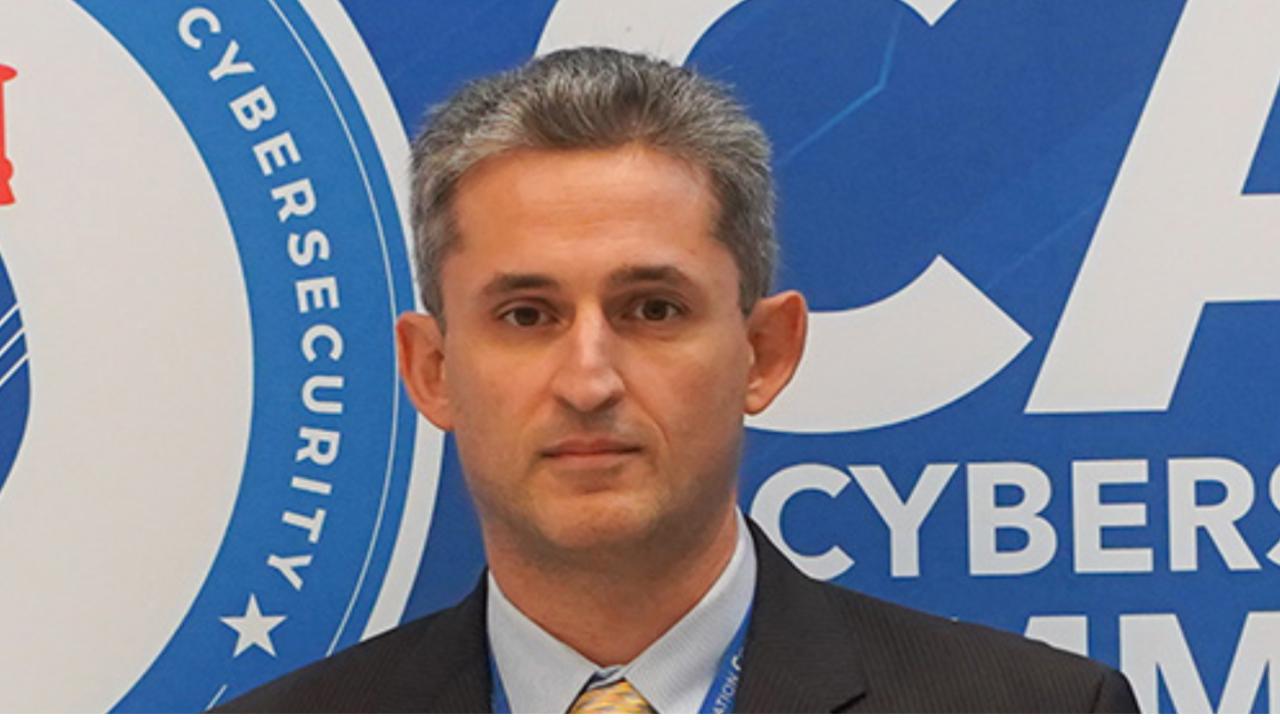
I am a Professor and the Associate Chair for Research in the Department of Information Sciences and Technology at George Mason University, and I serve as the Executive Director of the Institute for Digital Innovation (IDIA) and the Director of the Center for Infrastructure Security in the Era of AI (ISEAI). I received my Ph.D. degree in Computer Science and Engineering in 2005 from the University of Naples Federico II. In 2011, I joined George Mason University after serving as a Postdoctoral Researcher at the University of Maryland, College Park.

My research interests are in the area of Information and Network Security, with a particular emphasis on Modeling and Detection of Cyber Attacks, Cyber Situational Awareness, Network Hardening, Moving Target Defense, Configuration Security, and Vulnerability Metrics. I have participated in sponsored projects totaling $13M, with my personal share amounting to $3.5M. I hold six U.S. patents and have co-authored two books as well as over 90 publications in peer-reviewed journals and conference proceedings. In 2014, I was honored as one of the three recipients of the Mason Emerging Researcher/Scholar/Creator Award, one of the most prestigious honors at Mason.

I have served on the technical program committee of numerous conferences and am a member of the Editorial Board of Springer International Journal of Information Security, Elsevier Co

Source: Website

OnAir Post: Massimiliano Albanese

Jean-Pierre Auffret

J.P. Auffret is director, Research Partnerships in the Costello College of Business and director, Center for Assurance Research and Engineering in the College of Engineering and Computing at George Mason University, USA.

Auffret is also co-founder and current president of the International Academy of CIO (IAC), an NGO headquartered in Tokyo, Japan with the objectives of fostering the development of CIO and IT executive leadership education and institutions; and the application of emerging technologies to major challenges including healthcare, ageing societies and natural disasters.

Source: webpage

OnAir Post: Jean-Pierre Auffret

Ken Ball

Kenneth S. Ball, PhD, PE is Dean of the College of Engineering and Computing at George Mason University in Fairfax, Virginia. Since arriving at Mason in 2012, Ball has led the college through extensive growth and rapid change increasing research awards and expenditures, expanding enrollment, and establishing several first-of-their-kind programs to attract future generations of engineering and computing professionals.  

Under Ball’s leadership, the college’s ranking and reputation have improved. In the most recent U.S. News and World Report rankings of our nation’s Best Graduate Schools, the college placed in the top 100 among public universities. Ball helped the college keep pace with its strong growth in student enrollment, advocating for more faculty and staff. He led a proactive response to the needs of our students, placing a high priority on ensuring the college has the faculty to maintain student-faculty ratios to allow vigorous levels of student-faculty interaction and mentoring, to limit the number of large-enrollment classes, and to be able to offer all of the courses that students need to graduate, including elective courses. These efforts keep diversity and inclusion at the forefront by expanding access and inclusion.

Source: webpage

OnAir Post: Ken Ball

Alexandre Barreto

Alexandre Barreto is an Associate Professor, Department of Cyber Security Engineering at George Mason University.

He has applied his significant experience as an air traffic and air defense infrastructure manager to a career specializing in the field of cybersecurity and networking, which in conjunction with his research on cyber impact assessment, has led to applications in cyber and transportation security, and decision support systems in defense and critical infrastructure areas. These topics are at the core of his classroom activities at both graduate and undergraduate levels, as well as his research path.

Barreto is a researcher in impact assessment and secure air transportation protocols and developed innovative applications and extensions that aid in the fight against cyber-warfare. He received his MS and PhD from Instituto Tecnológico de Aeronáutica in Brazil.

Source: GMU CEC Page

OnAir Post: Alexandre Barreto

Paulo Costa

Paulo Costa has applied his significant experience as a fighter pilot to a career specializing in the field of electronic warfare and flight safety, which in conjunction with his research on probabilistic reasoning has led to applications in cyber and transportation security, heterogeneous data fusion, and decision support systems in healthcare, defense, and other areas. These topics are at the core of his classroom activities at both graduate and undergraduate levels, as well as his research path. Costa leads the research of graduate-level students in understanding security objectives and verification protocols, bringing in the science of probabilistic reasoning and challenging PhD-level candidates to consider theory and methods for building computationally efficient software agents that reason, act, and learn in environments characterized by noisy and chaotic traffic.

Costa is a key researcher in the field of probabilistic ontologies and has developed innovative applications and extensions that aid in the fight against cyber-warfare. In addition to his Mason assignments as Chair of the Cyber Security Engineering Department and Director of the C5I Center, Dr. Costa is Vice President for Securing Automation and Supply Chain Security (cymanii.org). He is a former President and current elected member of the Board of Directors of the International Society of Information Fusion (isif.org), as well as an IEEE Senior Member (SM13).

Degrees

  • PhD, Information Technology, George Mason University
  • MS, Systems Engineering, George Mason University
  • BS, Engineering, Brazilian Air Force Academy

Source: CEC Page

OnAir Post: Paulo Costa

Missy Cummings

A naval officer and military pilot from 1988-1999, Cummings was one of the U.S. Navy’s first female fighter pilots. She is now the director of Mason’s Autonomy and Robotics Center (MARC) and a professor at George Mason University. She holds faculty appointments in the Mechanical Engineering, Electrical and Computer Engineering, and Computer Science departments. She is an American Institute of Aeronautics and Astronautics (AIAA) Fellow and recently served as the senior safety advisor to the National Highway Traffic Safety Administration.

Cummings received her BS in Mathematics from the U.S. Naval Academy in 1988, her MS in Space Systems Engineering from the Naval Postgraduate School in 1994, and her PhD in Systems Engineering from the University of Virginia in 2004.

Source: GMU webpage

OnAir Post: Missy Cummings

Liza Wilson Durant

Liza Wilson Durant serves as the associate provost for strategic initiatives and community engagement at George Mason University and professor and associate dean for strategic initiatives and community engagement in the College of Engineering and Computing.

She works to build meaningful partnerships across the university with external corporate, government, academic, non-profit, and global entities to support the mission of Mason’s strategic objectives.

Prior to her appointment as associate provost, she served as chair of the Sid and Reva Dewberry Department of Civil, Environmental, and Infrastructure Engineering, where she has been a faculty member since 2010.

She received her BS and MS degrees from Cornell University and Stanford University respectively, and her Ph.D. in environmental engineering from the Johns Hopkins University.

Source: CCI

OnAir Post: Liza Wilson Durant

Mohamed Gebril

Mohamed Gebril is an associate professor in the Cyber Security Engineering department. He joined Mason after working as a primary patent examiner for the US Patent and Trademark Office (USPTO). In his seven years at USPTO, he was involved in patent examination and prosecution areas in the data storage and networking fields, where he worked in intellectual property matters directed to computer security, enterprise network security and authentication, databases, data processing, and memory storage devices.

Gebril completed his PhD in electrical engineering at North Carolina A&T State University in 2011 in the area of big data indexing, machine learning, and AI applications. He received his MS in electrical engineering from North Carolina A&T State University in May 2008 in the area of robotics navigation and optimization and completed his undergraduate studies in electrical engineering at Alexandria University, Egypt.

Source: CEC webpage

OnAir Post: Mohamed Gebril

Sushil Jajodia

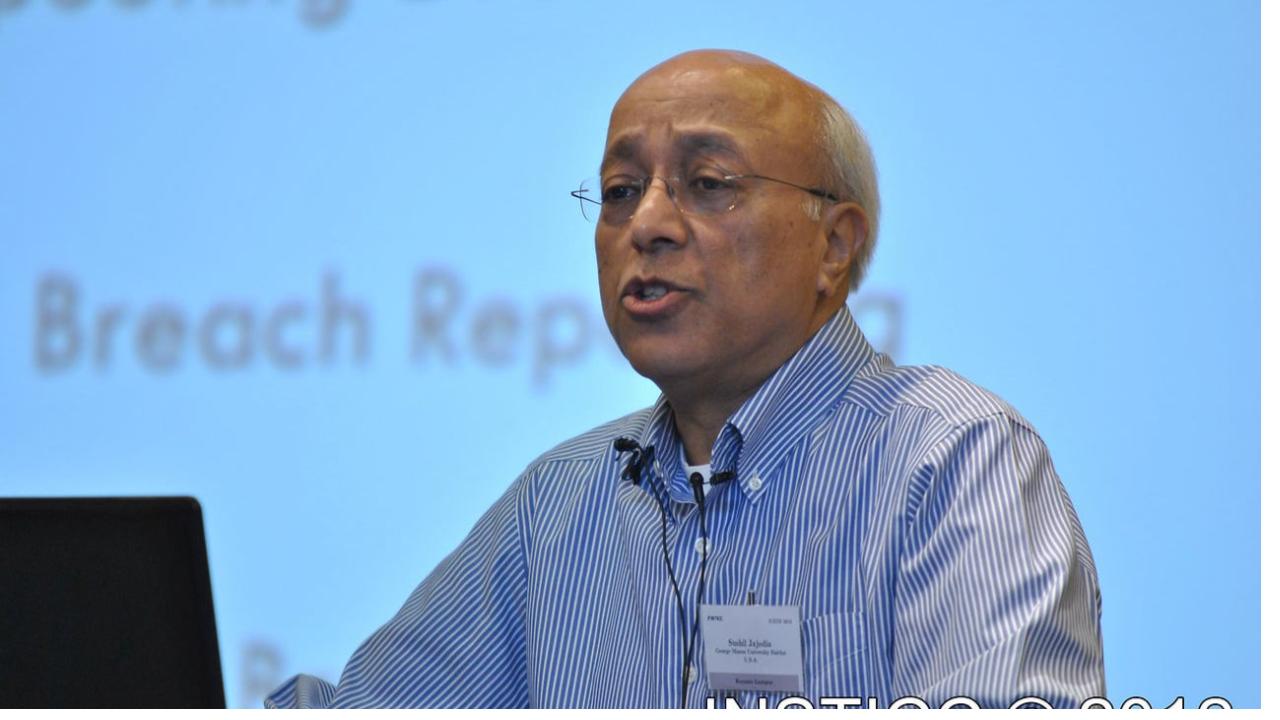
Sushil Jajodia is a University Professor, BDM International Professor, and the founding director of the Center for Secure Information Systems in the College of Engineering and Computing. He is also the founding site director of the NSF IUCRC Center for Configuration Analytics and Automation at Mason. His research interests include security, privacy, databases, and distributed systems. His current research sponsors are the U.S. Army Research Office (ARO), the U.S. Office of Naval Research (ONR), The U.S. National Security Administration (NSA), The National Science Foundation (NSF), the National Institute of Standards and Technology (NIST), Northrop Grumman, and The MITRE Corporation.

He was recognized for the most accepted papers at the 30th anniversary of the IEEE Symposium on Security and Privacy. His h-index is 86 and Erdös number is 2; both indicate a broad citation in scholarly publishing. He is the founding consulting editor of the Springer International Series on Advances in Information Security and SpringerBriefs in Computer Science. He has served in different capacities for various journals and conferences. Sushil Jajodia has supervised 27 doctoral dissertations.

Source: GMU webpage

OnAir Post: Sushil Jajodia

Amarda Shehu

Shehu is an accomplished administrator, teacher, and scholar. She currently serves as George Mason’s Inaugural VP and Chief AI Officer in which capacity she also continues to provide leadership for the Institute of Digital InnovAtion (IDIA) for which she served as Associate Vice President for Research during 2022 and 2024.

Shehu also serves as an Associate Dean for AI Innovation in the College of Engineering and Computing (CEC), where she is also a tenured Professor in the Department of Computer Science.

Source: CEC webpage

OnAir Post: Amarda Shehu

Mingkui Wei

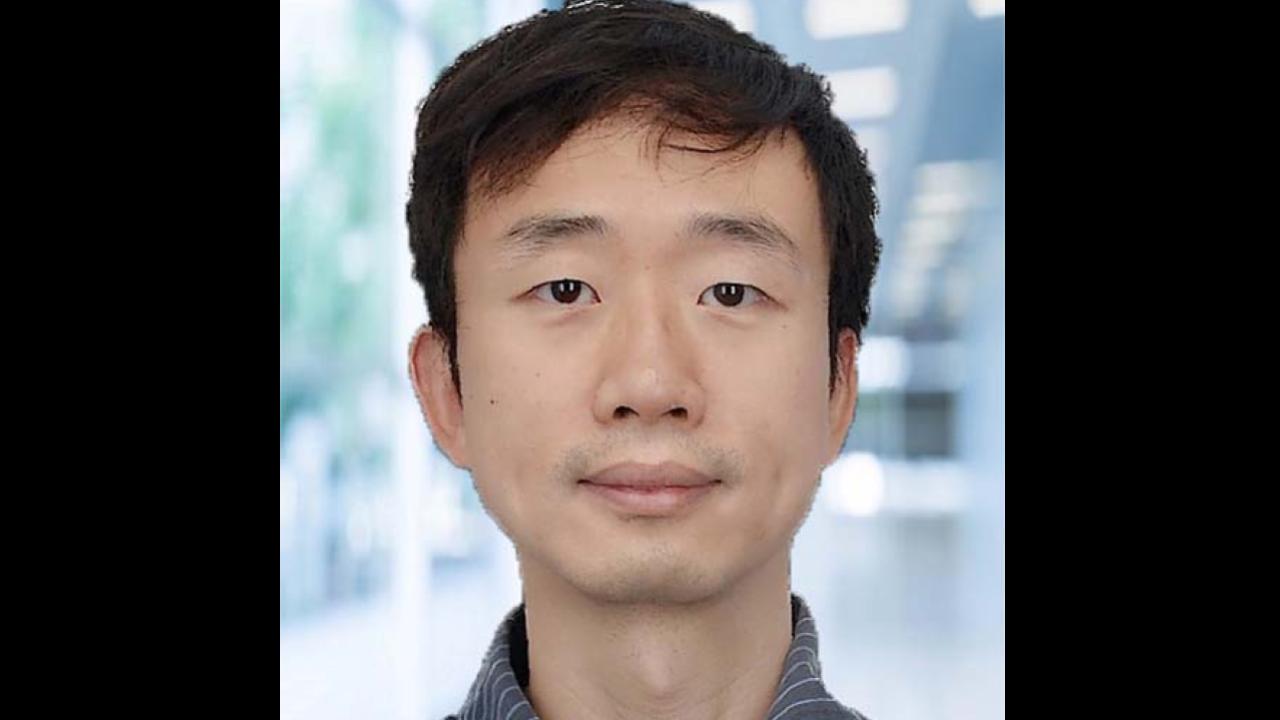
Mingkui Wei is an associate professor in the Department of Cyber Security Engineering. His current research interests focus on network security, especially on the application layer. He takes approaches including mathematical modeling and analysis, simulation and experiment, and machine learning, to identify and address security threats on the Internet.

His research results have been published in top-tier venues including IEEE INFOCOM, Usenix Security, and ACM CCS. He was a faculty in Computer Science at Sam Houston State University before joining Mason in 2021.

Degrees

  • PhD, Computing Engineering, North Carolina State University, 2016
  • MS, Information Systems, Southeast University (China), 2008

OnAir Post: Mingkui Wei

Duminda Wijesekera

Duminda Wijesekera is a professor in the Cyber Security Engineering Department at George Mason University. He was the inaugural chairman of the Cyber Security Engineering Department until December 2022, and a visiting research scientist at the National Institute of Standards and Technology (NIST) between 2007-2022. He leads the Mason Innovation Laboratory at Mason Square. He is also a fellow at the Potomac Institute of Policy Studies.

His current research addresses multiple areas. The first is the security and safety of cyber-physical systems. Research in this area includes the safety and security of Intelligent Transportation Systems (ITS) that include trains, aircraft, and connected/automated automobiles. Another area is digital forensics. Research in digital forensics includes creating potential scenario from evidence and creating frameworks for argumentations, error management of forensic data, and adding odds ratio between different scenarios that fit the evidence. A third area is applying formal methods to CPS safety and security.

Source: Webpage

OnAir Post: Duminda Wijesekera

Alan R. Shark

Alan R. Shark is an associate professor in the School of Policy and Government at George Mason University. His research focuses on technology leadership, artificial intelligence, emerging technologies, governance, cybersecurity, and civic engagement.

In addition to and formerly, he served 20 years as executive director of the Public Technology Institute (PTI).

OnAir Post: Alan R. Shark

J.P. Singh

J.P. Singh is Distinguished University Professor at George Mason University (USA), and Richard von Weizsäcker Fellow with the Robert Bosch Academy, Berlin. He is also co-director of the Center for Advancing Human-Machine Partnership (CAHMP) at George Mason.

Singh has published 10 books and over 100 articles. His latest books are:  Cultural Values in Political Economy (2020), and Sweet Talk:  Paternalism and Collective Action in North-South Trade Negotiations (Stanford, 2017).

Source: Website

OnAir Post: J.P. Singh

Skip to toolbar