Cyber Teams

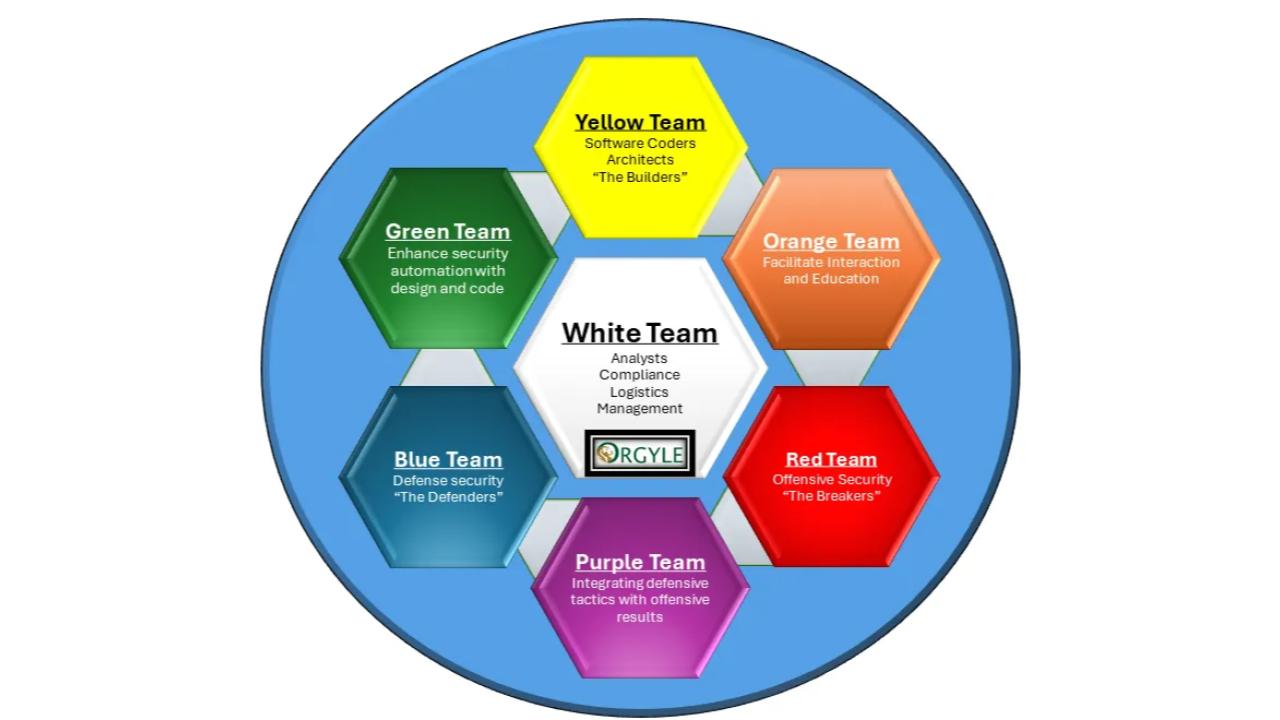
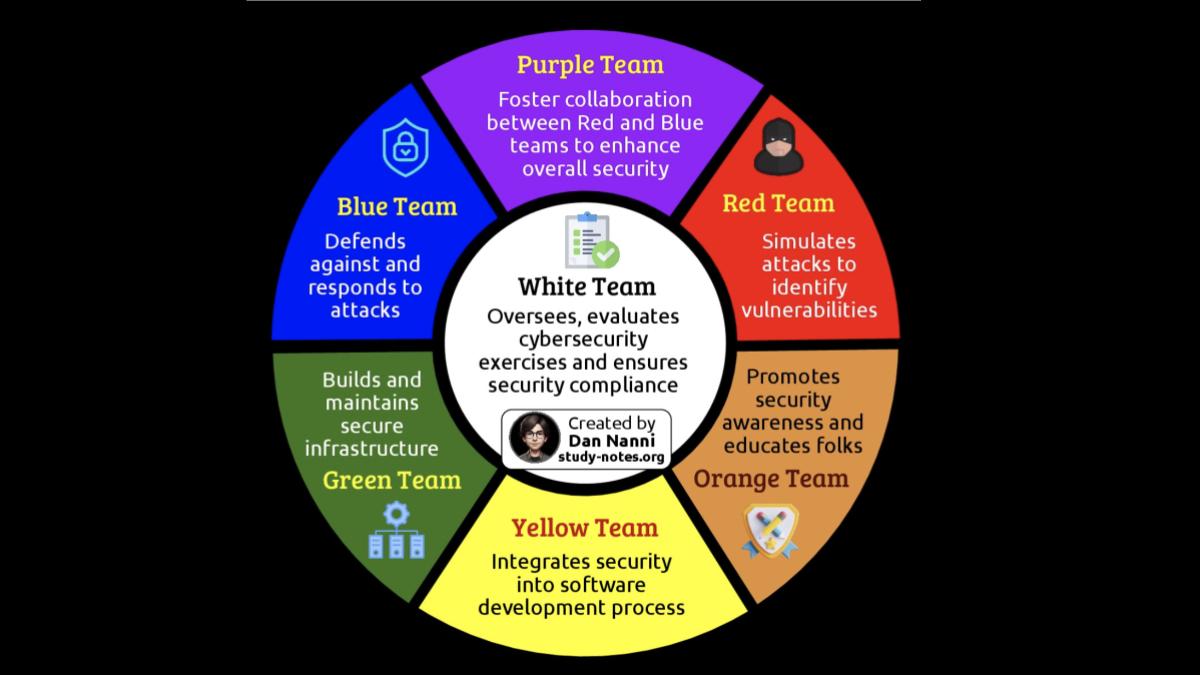
The cybersecurity color wheel categorizes cyber teams by their roles:

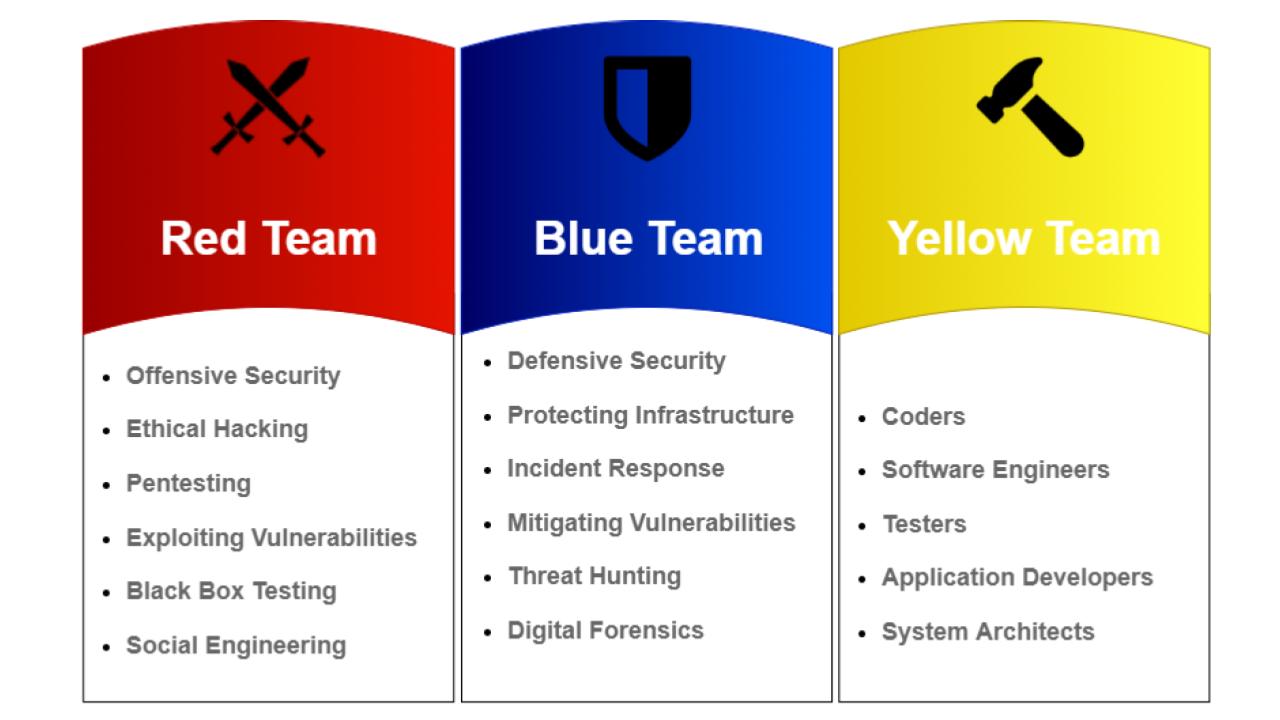
  • Red Team are ethical hackers,
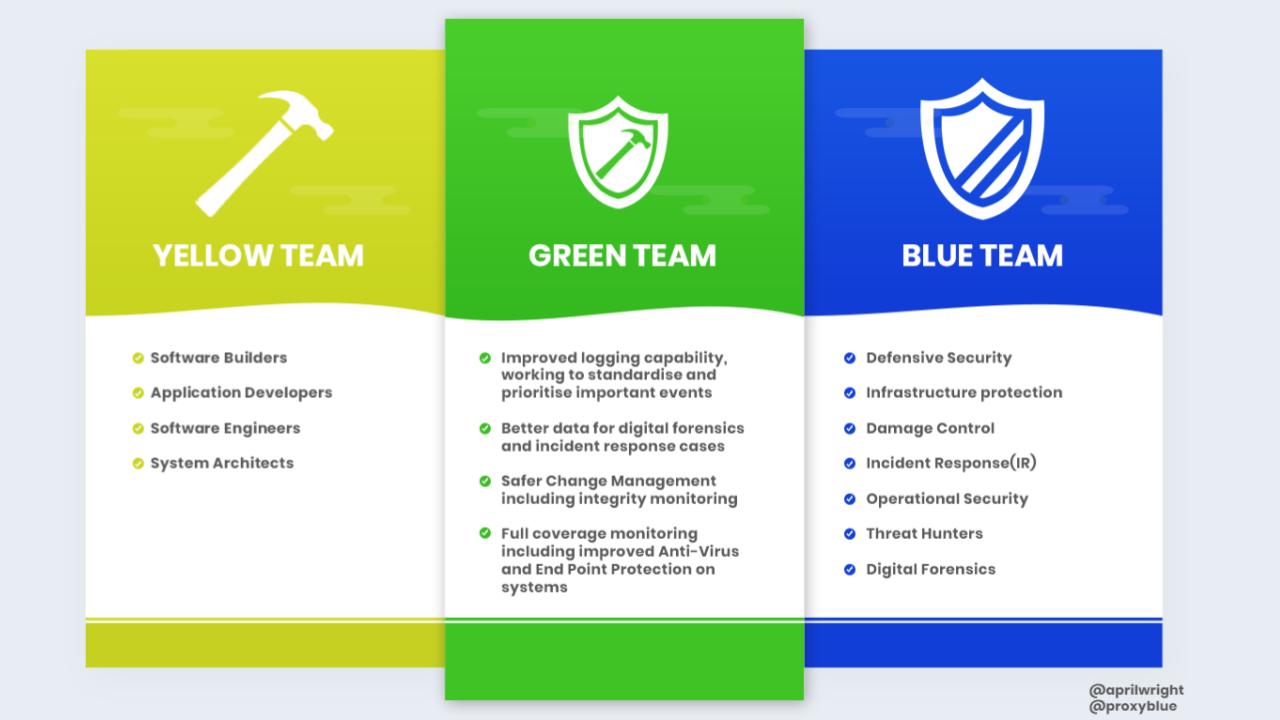
  • Blue Team are defenders,
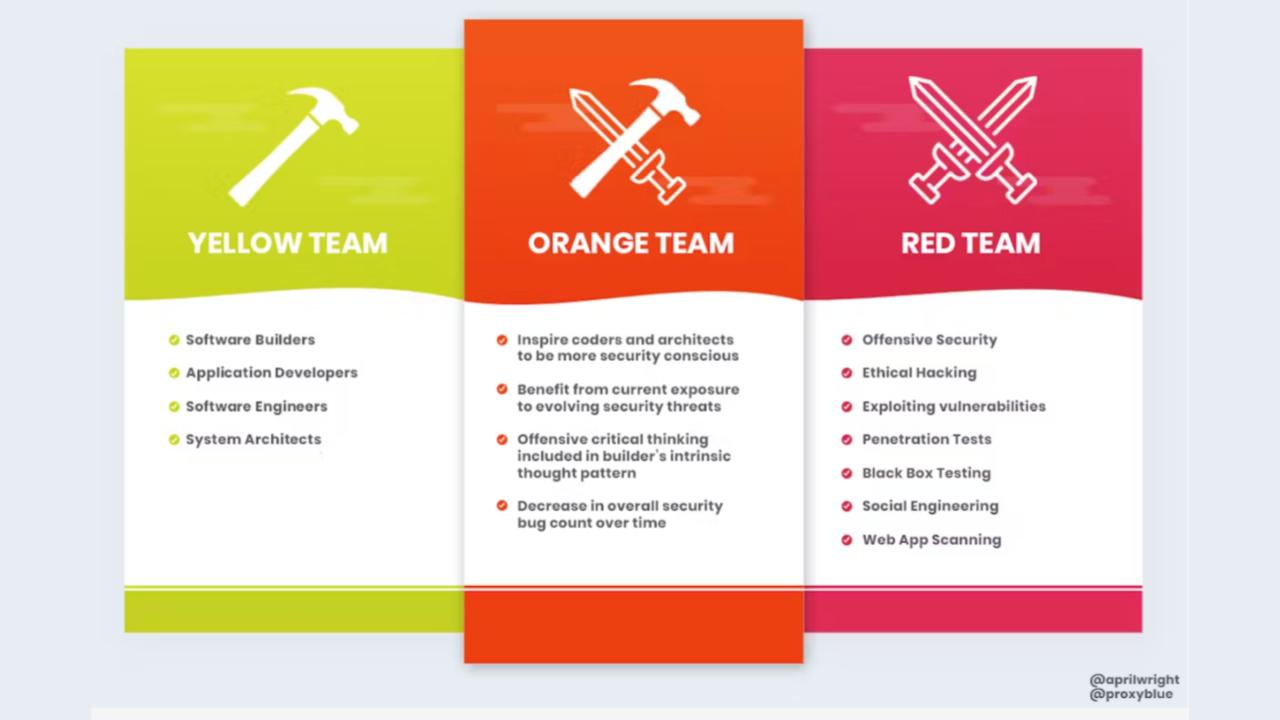
  • Yellow Team are developers who build secure applications.
  • Purple Team facilitates collaboration between Red and Blue
  • Green Team works with Yellow and Blue to implement secure coding practices
  • Orange Team trains Yellow developers
  • White Team manages the overall strategy, compliance, and coordination.

Source: Gemini AI Overview - 10/21/2025

OnAir Post: Cyber Teams
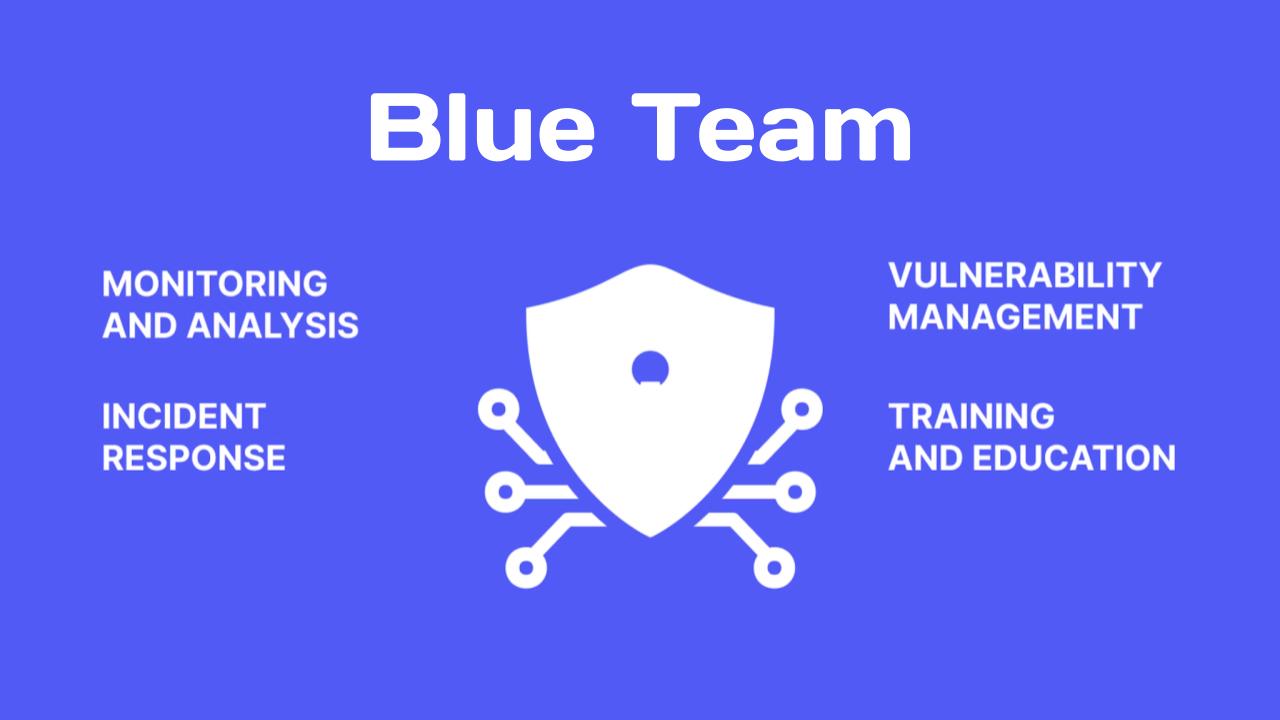
Cyber Blue Teams

A cybersecurity blue team is the defensive group responsible for protecting an organization’s network and systems from cyber threats through proactive measures and incident response. They monitor for suspicious activity, harden systems, and respond to security breaches to minimize damage and ensure data safety. 

Source: Gemini AI Overview - 10/12/2025

OnAir Post: Cyber Blue Teams

Red Team

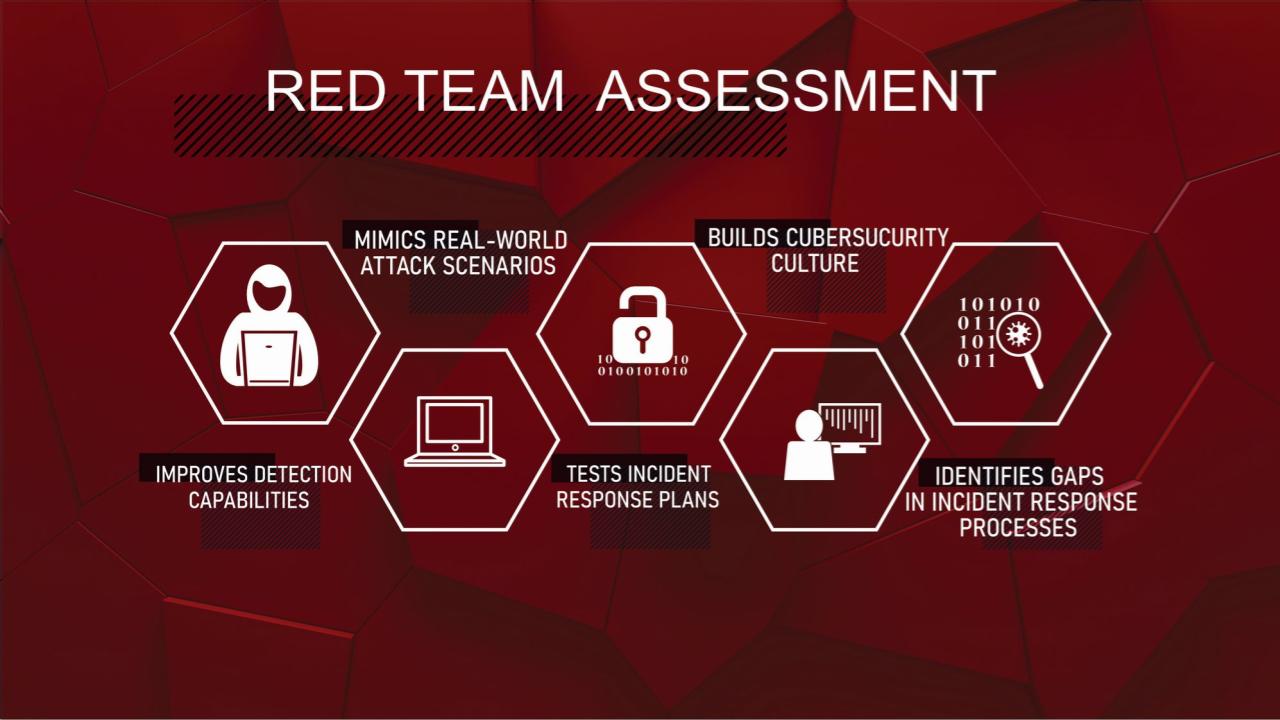
A cybersecurity red team’s primary function is to simulate real-world cyberattacks to proactively identify weaknesses in an organization’s security posture before malicious actors can exploit them.

They act as ethical adversaries, using the same tactics, techniques, and procedures (TTPs) as actual threat actors to provide a realistic assessment of the organization’s defensive capabilities.

OnAir Post: Red Team

Purple Team

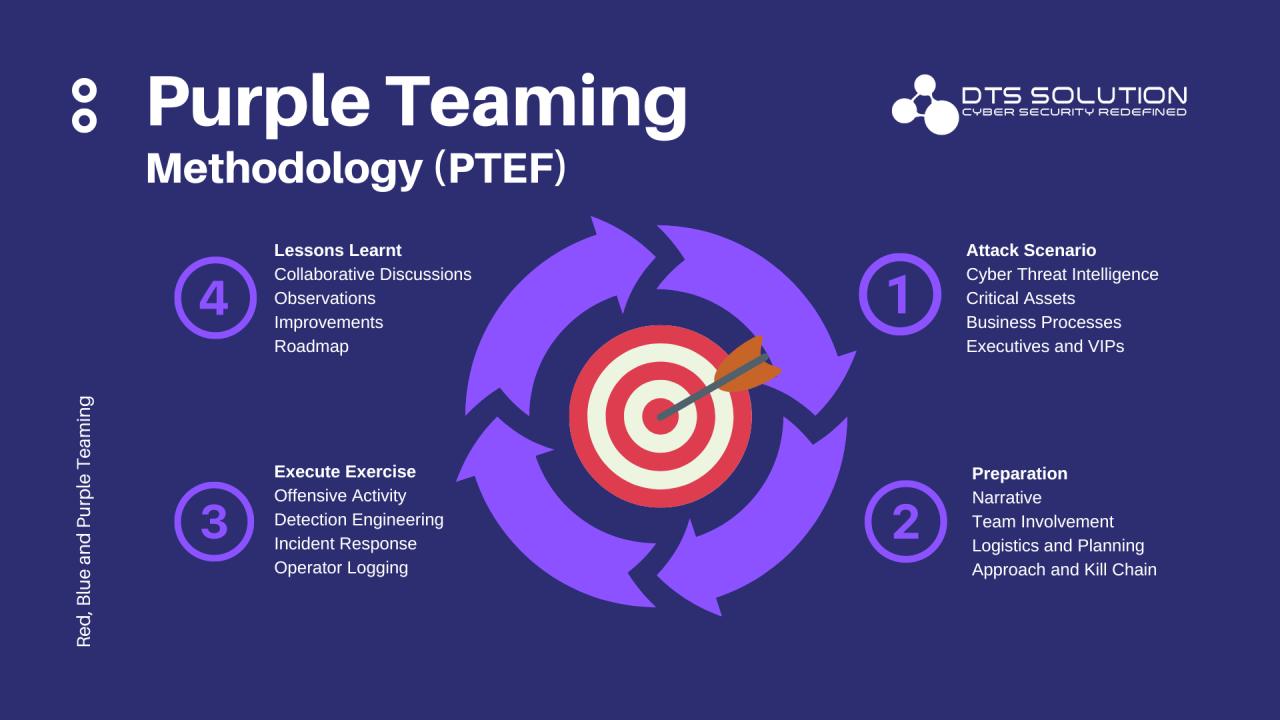
A cybersecurity purple team’s primary function is to integrate the offensive strategies of red teams with the defensive strategies of blue teams to ensure continuous feedback, identify security gaps, and improve an organization’s overall security posture.

It functions as a collaborative bridge, not necessarily a separate, permanent team, that maximizes the efforts of both sides.

OnAir Post: Purple Team

Green team

he primary function of a cybersecurity Green Team is to act as a bridge between the developers (Yellow Team) and the defenders (Blue Team), integrating security practices throughout the entire Software Development Life Cycle (SDLC).

Essentially, the Green Team acts as DevSecOps engineers whose primary mission is to ensure that applications are deployed securely and their entire lifecycle is fortified against threats.

OnAir Post: Green team

Yellow Team

The primary function of a cybersecurity Green Team is to act as a bridge between the developers (Yellow Team) and the defenders (Blue Team), integrating security practices throughout the entire Software Development Life Cycle (SDLC).

Essentially, the Green Team acts as DevSecOps engineers whose primary mission is to ensure that applications are deployed securely and their entire lifecycle is fortified against threats.

OnAir Post: Yellow Team

Orange Team

The primary functions of a cybersecurity Orange Team are to bridge the gap between the development (Yellow) and offensive security (Red) teams by educating developers on potential threats and vulnerabilities and promoting secure coding practices throughout the software development lifecycle.

Essentially, the Orange Team is a collaborative function that shifts security from a reactive approach (fixing issues after a breach or a red team exercise) to a proactive one, embedding security into the very foundation of an organization’s technology and culture.

OnAir Post: Orange Team

White Team

The cybersecurity white team acts as the oversight and management authority for security exercises (such as red team vs. blue team drills), ensuring the activity is controlled, safe, legal, and educational. They are neutral observers who do not participate in offensive or defensive actions directly.

OnAir Post: White Team

Risk Management Leadership

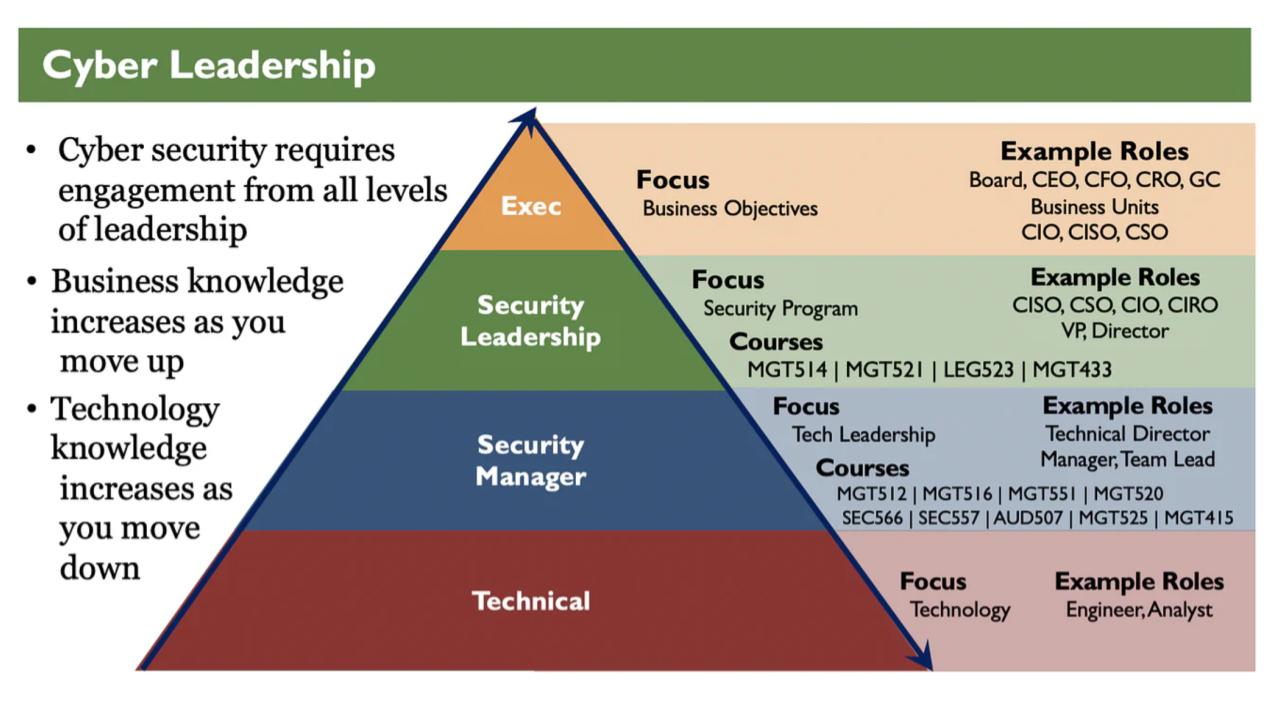
The CEO and the executive team’s primary cybersecurity risk management responsibility is to treat cybersecurity as a core business risk and a strategic priority, not merely a technical IT issue.

By proactively engaging in these responsibilities, the CEO and executive team can transform cybersecurity from a mere IT concern into a strategic asset that builds trust and ensures business resilience.

OnAir Post: Risk Management Leadership

Skip to toolbar